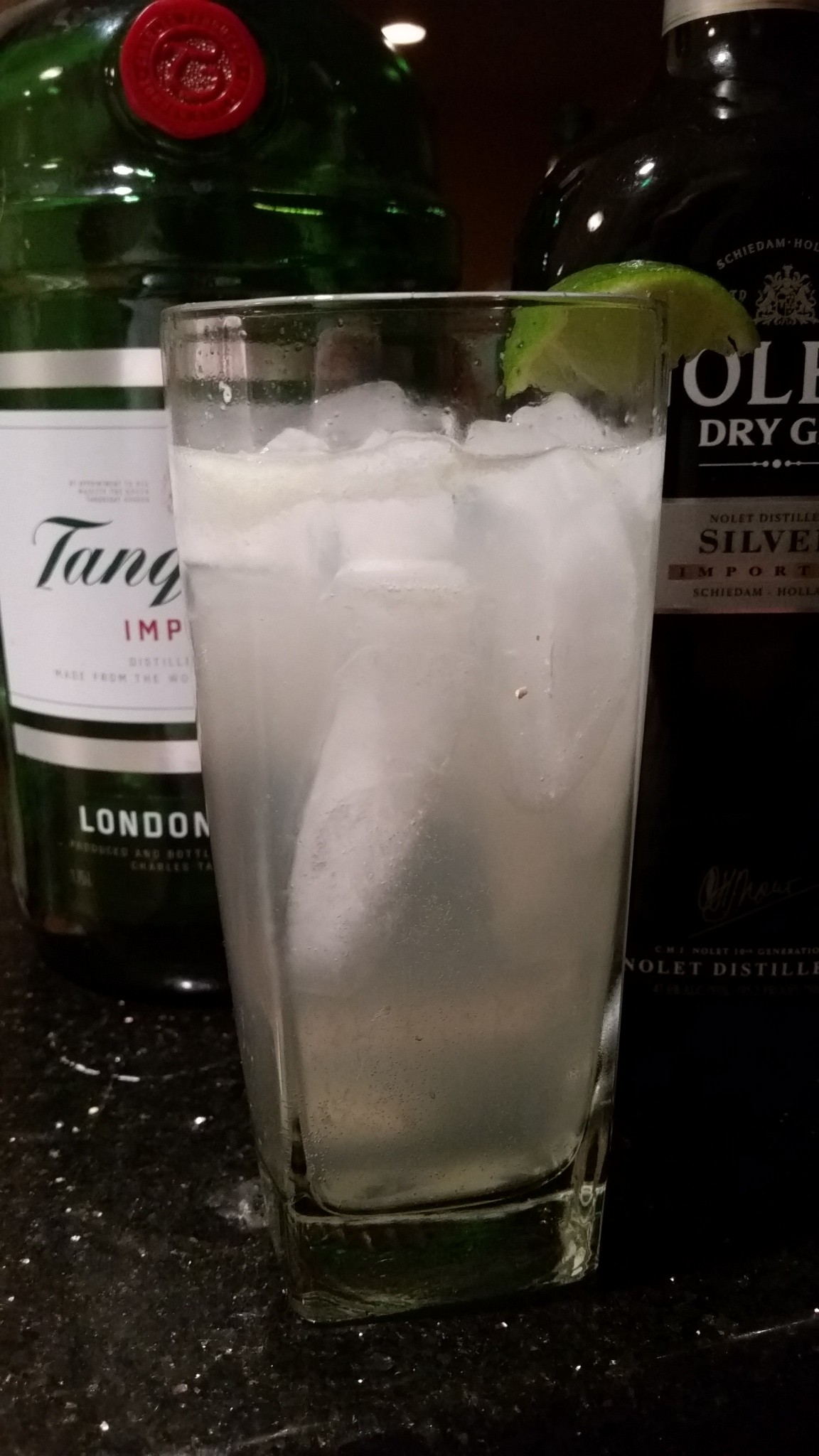
 It’s probably somewhat criminal that it’s taken me so long to get to a drink that’s as simple and classic as the Gin Rickey. Like the Martini, this is a drink that not everyone will cotton to immediately. Indeed, to be very honest I’m still working on acquiring a taste for it myself as it’s more than a little on the tart side for me. No surprise as it contains lime juice and zero sweetener.
Still, this is a drink with a little history and it certainly won’t be bad on a warm day. And, yes, I know it’s January. However, I live in North Hollywood, California and high temps on this side of the L.A. hill are in the eighties this week, so nyah, nyah, nyah East Coasters with your snow and frequently superior public transportation.
The Gin Rickey is named for one Colonel Joe Rickey, a Confederate soldier turned 19th century Democratic Party lobbyist, back when the Democrats were the party of Andrew Jackson instead of Franklin Roosevelt and the Republicans were the party of Abraham Lincoln instead of Ronald Reagan. Anyhow, it seems that Colonel Rickey was the kind of drinker who frequently needed a morning “eye-opener” to get him over the hangover hump, and somewhere along the way a helpful bartender named George A. Williamson helped him create a drink made with bourbon, seltzer water and a bit of lime juice. Over the years, however, the gin version became far more popular, with its lighter, easier to take flavor, and that’s what we’ve got here.
The Gin Rickey
1 1/2-2 ounces gin
1/2 ounce fresh lime juice
2-5 ounces carbonated water
1 lime wedge or one spent lime shell (garnish)
Build over ice in Tom Collins or highball glass. partly depending on what you’ve got on hand and how much soda water and gin you’d like to use. (Highball glasses are often a bit larger.) Stir. Garnish either with a spent lime shell or, my preference, a lime wedge. Toast carbonated water, for it contains water but also air. That’s two out of four elements!
****
I tried this drink a number of different ways and what we’ve got here is, basically, something like a martini. What I mean by that is that it’s a drink that requires a bit of getting used to. It may not be as boozy, but it’s somewhat tart without being at all sweet. I also mean that it seems to work fairly well when you mess around with the proportions, much as both dry and very un-dry martinis can both be perfectly great. On the upside, it is refreshing and about as low-cal as a mixed drink gets.
I tried my Gin Rickey with four different gins. I found I got the best results with both my most expensive gin on hand, Nolet’s and my least expensive, good old Gordon’s. Both added a nice herbal tang to the affair. Tanqueray, somewhere in the middle price wise but a classic product for a reason, was fine but a bit more in your face.
I also read that Old Tom Gin, which is sweetened, could also be used with a Rickey. Oddly enough, however, the little bit of sugar in Hayman’s Old Tom Gin merely set off and thereby emphasized the tartness. Not really an improvement.
The one thing I haven’t tried yet, partly because I ran out of fizzy water and kept forgetting to replace it, is the original Bourbon Ricky. Don’t worry, I’ll give that a whirl some day.
 Sometimes funny things happen in the land of drinks that make you think funny. In this case it was a very offhand Facebook remark in which I, in a fit of hubris, implied that I would come up with a proper cocktail which would for some reason be called “Dayquil.”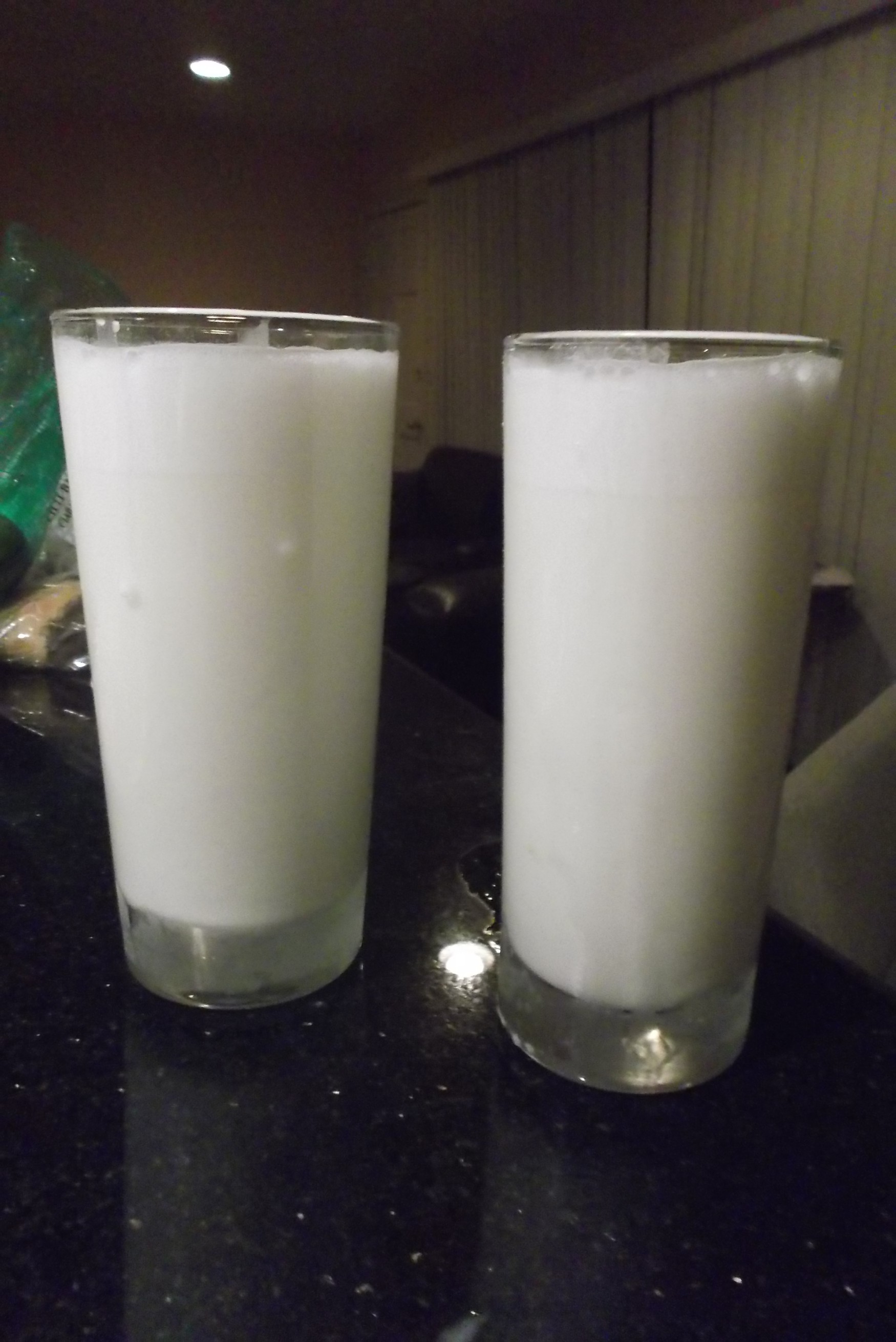
 It’s the day after Thanksgiving and, if you seriously overdid it in the alcohol department while getting into a drunken political argument with your uncle Dave, you should probably lay off the booze completely today. Have a nice glass of orange juice maybe. Even so, for many a boozer, the solution to too much booze is just a little more booze, delivered with a thoughtfully prepared cushion of sugar and fat.
 I was born on April 15, which means that, most years, when my birthday doesn’t fall on an Easter Sunday it falls on the United States anti-holiday that is income tax day. Being an ides of April baby also means that each and every year I am also reminded of the sinking of the Titantic and the death of Abraham Lincoln.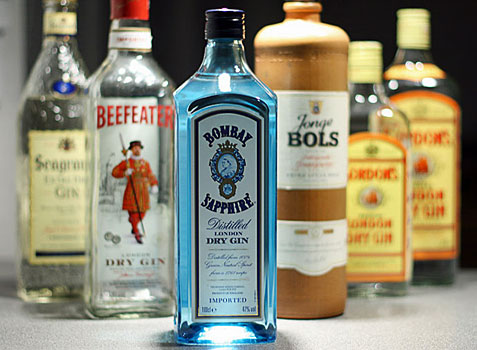
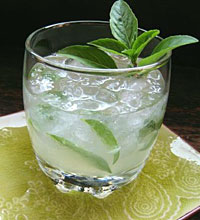 Gin is distilled from grain, usually wheat or rye, and starts out as a fairly plain spirit probably not so different from vodka. After that, “distilled gins” are then distilled a second time with various flavorings. The most prominent being juniper berries. That’s only for starters, as gin manufacturers use a pretty vast assortment of herbs and other botanicals ranging from licorice root to grapefruit peels to the perfumey bergamot we associate with Earl Grey tea. Some ultra-cheap brands are “compound gins.” These gins are not redistilled, but simply have tiny infusions added — they’re basically gin-flavored alcohol.


