Author: Ezra Stead (Page 4 of 6)

Weekly Web Series Review: Baby Cakes

Brad Neely, perhaps best known for his hilarious “George Washington” and “JFK” music videos, has built an empire of off animatics (still images edited together with dialogue and sound effects). The creator of “Creased Comics” also invented a fictional town called China, Illinois, in which several strange characters reside, including a huge, baby-faced man named Mark “Baby” Cakes. In the series “Baby Cakes,” Neely explores the unique life and philosophy of this probably autistic, mostly gentle giant, and the results are very funny, always absurd, and even sort of profound and sad a surprising amount of the time.

The first six episodes of “Baby Cakes” find Baby Cakes transcribing his thoughts on a variety of subjects into his diary. The very first episode sets up a few recurring themes of the series, such as Baby Cakes’ belief that his father and his father’s professor friends are wizards, and his love of fantasy role-playing games. When one of his friends asks him if he’s a virgin, Baby Cakes’ reply is a perfect example of his strangely limited understanding of the world: “I said no, because I can’t give birth to a Jesus.” The episode also sets up Baby Cakes’ recurring songwriting, and some of the later episodes are entirely made of these songs.

The second episode introduces Baby Cakes’ grandfather and explores the relationship between the three generations, and demands a few repeat viewings in order to decipher the ridiculous bathroom graffiti Baby Cakes encounters in a gas station bathroom on the way to his grandfather’s house. The third episode is among the series’ very best, as it is the first one that really captures the sweet, oddly sad philosophy and worldview of Baby Cakes, a self-described “peaceful, sleepy giant making zero a year.” As Baby Cakes walks through the park, reflecting on the world around him, as he sees it, in a unique parlance all his own: “I have a big coat, with big pockets. Sometimes, kittens get in there. It’s cool with me as long as they keep their hook-socks curled.” The episode ends with a wonderful encapsulation of Baby Cakes’ views about life: “Even if my days don’t mean anything, I just hope that I die while hugging, and not while in a wine-drinking contest.”

The sixth episode expands on this strange but surprisingly insightful worldview, and just might be the very best episode of the entire series. It finds Baby Cakes digging up a time capsule he buried as a child, in which he placed his favorite thing and a note to his future self, in which he explains sex: “Sex is a people-spaghetti. Hairy pee-pees clash. They yell, ‘Yes! Yes!’ but their grody faces say, ‘Ouch!’” The rest of the episodes (the non-diary ones) are something of a mixed bag, but there are definitely highlights, and the whole series is only about 32 minutes long, with more brilliance scattered throughout than most full-length television series.
Weekly Web Series Review: Behind the Pen

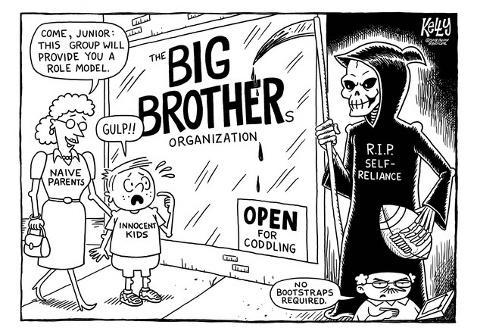
Fans of the excellent satirical newspaper The Onion should be familiar with the name Stan Kelly. A fictional editorial cartoonist whose reactionary views on current events and the way things used to be in the “good old days” (he supposedly began working for the paper in 1957) are expressed with hacky, obvious writing and a crude, simplistic drawing style. I remember when I first saw his work in the pages of “America’s Finest News Source” years ago, I totally fell for it, believing it to be a real strip The Onion had picked up to display ironically, like when they used to run Cathy Guisewite‘s “Cathy” in Spanish. Eventually, though, I realized how unlikely it was that any newspaper anywhere would seriously run strips celebrating the deaths of beloved celebrities like James Brown, for example, and that Kelly’s political cartoons were a joke from the start.

Continue reading »

War Tears Up the SummerStage at New York’s Queensbridge Park

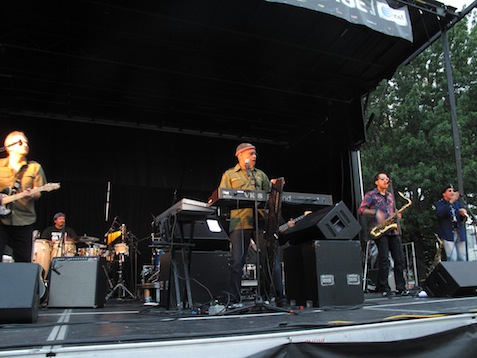
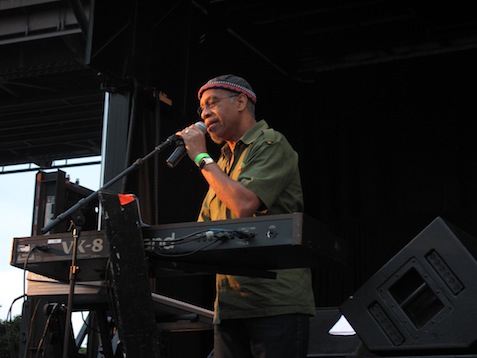
Forty-three years after their original 1969 formation, the legendary band War can still rock a stage with the best of them and provide a funky good time for audiences of all ages. Of course, the only original member still in the lineup is keyboardist and current lead singer Leroy “Lonnie” Jordan, but since the band has cycled through more than 25 members since its original inception, this is no surprise. The band, in its current seven-piece configuration, played a free show at Queensbridge Park in Queens, New York, last night as part of City Parks Foundation’s annual SummerStage series. Probably about 400 people, ranging in age from toddlers to elderly folks, were in attendance, and War played an excellent two-hour set full of positive energy and musical prowess.

After an hour-long warm-up from DJ Felix Hernandez’ Rhythm Revue, War opened their set with the funky, upbeat “Me and Baby Brother,” from their 1973 gold record “Deliver the Word,” and the already dancing crowd really began to get down. Jordan is an exceptionally charismatic frontman who really commands the stage even when boxed in behind his keyboards, but he stepped out early on in the show to lead an audience sing-along to the 1972 hit “The Cisco Kid.” He joked that if anyone in the crowd could tell him how many other War songs contained the word “wine,” he would let that lucky fan buy him a glass of wine.

Jordan then slowed the upbeat set down a bit with the more serious jam “The World Is a Ghetto,” from the 1972 album of the same name, taking time to speak off-the-cuff about changing the world for the kids in the audience. He referred specifically to an adorable toddler dancing near the stage, of whom he couldn’t quite identify the gender, saying, “They don’t know when they’re that age anyway. Let ’em worry about all that when they get older.” The band also catered to an unexpected fan request by playing the gorgeous, tempo-shifting instrumental “City, Country, City,” also from the “World Is a Ghetto” album, which really gave saxophonist Fernando Harkless and harmonica player Stanley Behrens a chance to shine.

Though the overall set was mostly very up-tempo and danceable, War took time for a couple of slow love ballads near the end. Jordan took a lengthy vocal and keyboard solo for the beginning of the beautiful 1973 title track “Deliver the Word” before letting the rest of the band join him to jam it out, and drummer Salvador Rodriguez sang a love ballad of his own before War broke out their two biggest hits. On “Why Can’t We Be Friends,” from the 1975 album of the same name, each of the seven members of the band sang one two-bar verse, except for percussionist Marcos Reyes, who relegated the last small verse to an audience sing-along.

They closed with the iconic hit “Low Rider,” from the same album, and of course the crowd loved it, many of them begging for one more song. Unfortunately, the free outdoor show had a strict ending time, but it is a testament to War’s energy, vitality and long list of beloved hits, that a two-hour set could still leave us wanting more.

Weekly Web Series Review: Smart Girls at the Party

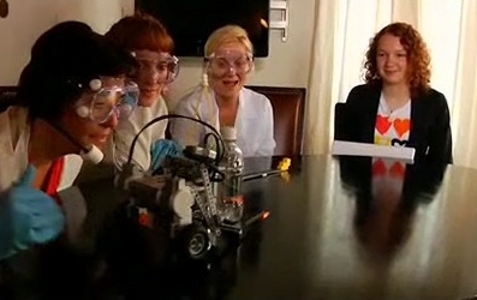
Described by host Amy Poehler as “a celebration of real friendship, real fellowship, and a kind of community with other girls,” the web series “Smart Girls at the Party” is a kind-hearted, fun and educational program for kids and their parents alike, but especially for young girls. Often specifically focusing on girls who enjoy activities traditionally thought of as being more for boys, the series enjoyed a significant viewership boost in its first season when it introduced its youngest interviewee, seven-year-old Ruby, who speaks precociously about feminism. Its most-viewed episode to date features a 14-year-old boxer named Precela, and another highlight features a young robotics engineer named Rachel.

These are the “girls who are changing the world by being themselves,” in the words of Poehler, who hosts the show with the tongue-in-cheek seriousness of a news anchor before ending each episode with a dance party. Along with producer Meredith Walker and musical director Amy Miles, Poehler explores the special talents and interests of each girl – or in a few episodes, groups of girls – and interviews them, always ending on a “very serious question,” such as “pizza or cotton candy?” or “which is cuter, a baby panda or a baby monkey?” However, despite poking fun at self-serious interview questions, the series never makes fun of the girls or treats them or their interests with cynicism or irony. Instead, it clearly aims to imbue its young audience with a sense of self-worth and individuality, without being boring or preachy.

Now in its second season, the series has markedly improved from its first few episodes, adding a “World Famous 20 Second Song” segment for Miles and boasting higher production values. There are also some familiar faces in the dance parties that parents will enjoy spotting, including Poehler’s husband Will Arnett (who returns from the first season), as well as her “Parks and Recreation” co-stars Aziz Ansari, Nick Offerman, Rashida Jones and Aubrey Plaza. Look closely and you’ll also spot folks like Jon Hamm, David Cross and Jack McBrayer in later episodes. With its own new channel on YouTube, “Smart Girls at the Party” is slicker and more fun than ever, and is highly recommended for viewing with children, especially daughters, between the ages of five and fifteen.

Flo Rida Previews New Album at Manhattan Event Sponsored by HP

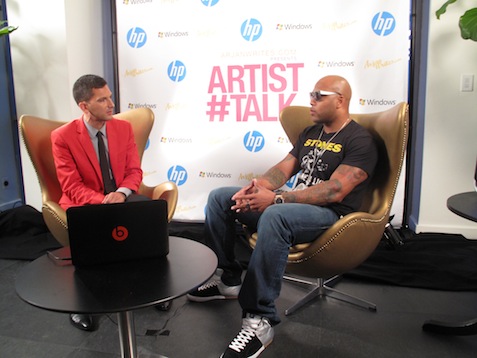
Last night at the Hotel on Rivington in Manhattan, ArjanWrites.com presented a special ARTIST #TALK session with Miami-based club rapper Flo Rida, a massively successful artist who has sold 60 million records and scored 14 hit singles, including the ubiquitous hits “Low” and “Right Round.” Arjan describes the ARTIST #TALK series as “as a listening session meets ‘Inside The Actors Studio‘,” and this is a fairly accurate way to put it. The evening began with a basic interview summing up Flo Rida’s career thus far, and then proceeded to a preview listening session for his new album “Wild Ones.”

Flo Rida began as a hype man for the legendary 2 Live Crew, who were equally loved and hated in their time for boundary-pushing songs like “Me So Horny.” Of this experience, Flo says, “I heard about the crazy things that went on, but I never took part in that. I just went out and did the shows.” This is a large part of of his persona as an artist, a relentless positivity that embraces partying while avoiding explicit lyrics about drugs, guns or any other negative tropes often heard in club music. He says, “I was happy to have music that my mom could listen to … and put smiles on the faces of young and old people.” He has even started his own charity, Big Dreams 4 Kids, to give back to underprivileged youth in slums like the one in which he grew up. When asked about the way his music has mixed Hip-Hop with electronic dance music, he also points to his upbringing: “Growing up in Miami, Florida, it’s like a gumbo of different cultures.”

Continue reading »

« Older posts Newer posts »

© 2026 Bullz-Eye Blog

Theme by Anders NorenUp ↑