Tag: cocktails (Page 56 of 62)

Drink of the Week: Spike Your Juice (Federweisser)

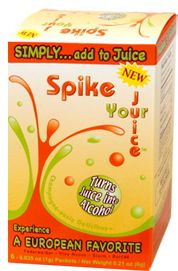
Spike Your JuiceToday we have something a bit different that feels kind of homey and appropriate for Thanksgiving weekend, even if it’s got a European pedigree. Home fermented grape juice, apparently known in Germany as Federweisser, isn’t exactly a cocktail, but then it’s U.S. cousin, Spike Your Juice, doesn’t exactly produce wine. The good news is that what it does produce is a tastier and much more fun alternative to a wine cooler or some ghastly “malt beverage.”

What I got in the mail from the Spike Your Juice people was a glass sealer that fits inside a plastic stopper and a number of thin tubey-envelopes which, in turn, contain primarily yeast, the friendly microorganism that turns fattening fructose into equally fattening, but somewhat more dangerously interesting, alcohol. All you do is empty the powdery contents of the tubes into a 64 ounce juice container — they suggest grape juice or other purplish/reddish beverages mentioned in a link at their faq. You don’t shake it or do anything else to it at all.

You then attach the aforementioned glass tubes (to which you have added some water) and plastic thingy to the top of the container, being careful to permanently discard the original bottle cap. That’s important because, apparently, from this point on, anything remotely airtight can result in a messy explosion that could leave you standing in the purple rain.

Next, you leave the unrefrigerated bottle alone for 48 hours; you’ll see a bit of foaming and an occasional bubble in the water in the glass tubing. When the time has passed, you are supposed to sample the result and, if it’s too sweet for you, reattach the apparatus. Once you’re happy with what what you’ve got, you then leave only the plastic portion in place, which means your drink is partially exposed and won’t be holding onto it’s fizz for long.

At the 48 hour point, what I had was a rather delightful but very sweet fizzy beverage that isn’t at all like the bad sparkling wine you might expect, but is like a really very nice slightly alcoholic lightly carbonated grape juice. Still, it was very sweet and packed little punch so I let the fermentation continue. Although I like the drier version just fine over ice, I’m slightly embarrassed to admit that I wish I had stopped at maybe 55 or 60 hours, rather than 72. That’s my old sweet tooth again.

It’s not one of the suggested juices and I’m curious why, but, I’m going to try this with apple juice. I love hard apple cider, the original Euro-American booze beloved of our pilgrim predecessors…and I guess that covers the need for a Thanksgiving weekend reference to wrap this post up.
Drink of the Week: The Bloody Caesar

The Bloody Caesar

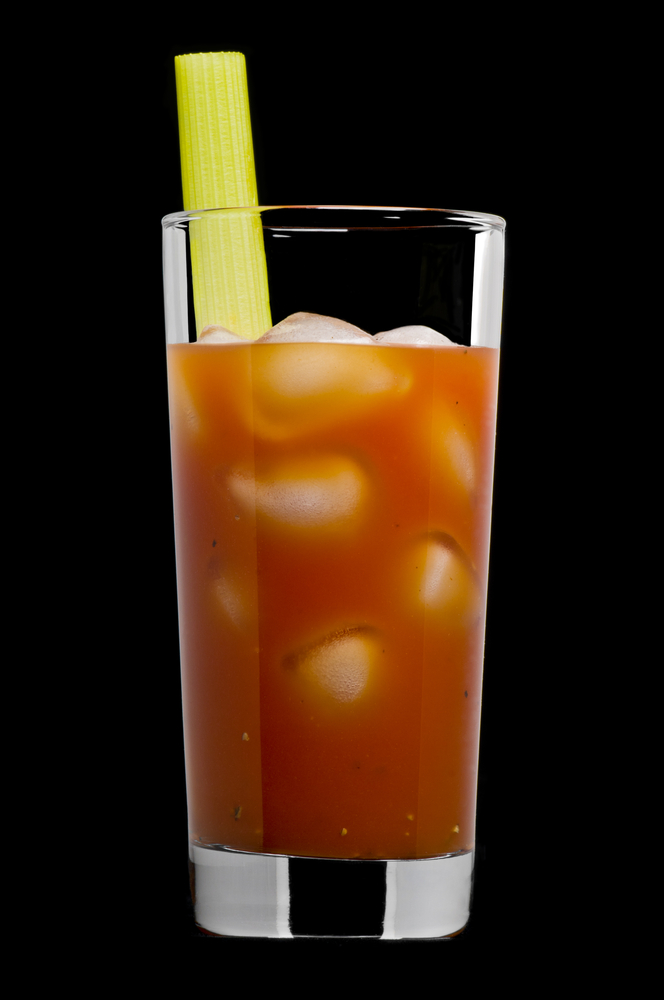
In general, Canada’s correctly beloved Bloody Caesar is nothing more or less than a Bloody Mary made with Clamato or a similar tomato/clam juice beverage rather than straight tomato juice. In fact, you are certainly not ill-advised to simply make that substitution with the previously described DOTW Bloody Mary recipe. Nevertheless, I recently tried out this particular recipe provided by, naturally, the Canadian Club people to promote their new Canadian Club Classic 12 Year-Old whisky and I highly recommend it.

Yes, you can make a bloody beverage with not only vodka and gin but with various types of whiskey, and I have to say that this particular variant on the classic is pretty fantastic. It’s about as refreshing as an alcoholic cocktail can be while having plenty of spice to it. It really does seem to taste best with CC’s newest brand, but this version of the Bloody Caesar works very nicely with vodka or regular Canadian Club as well. The trick here is that this is the first Bloody Anything I’ve tried that comes out of shaker rather than being built in the glass.

The Bloody Caesar, CC Variant

1.5 ounces Canadian Club Classic 12, or alternative boozes as preferred and available
4 ounces Clamato/tomato-mollusk beverage of your choice
4 dashes Tabasco/Louisiana hot sauce of your preference
2 dashes Worcestershire sauce (I like Lea & Perrin’s, when I find it on sale)
1 dash black pepper
1 lemon wedge
1 small celery stalk (optional but very nice garnish)

Pour your liquor and tomato-clam beverage into a cocktail shaker with ice. Add the hot sauce, Worcestershire and pepper. Squeeze the juice out of your lemon wedge and throw the spent edge into the mix. Shake very vigorously. Strain over fresh ice into a highball/Collins glass. Add your celery, if you’ve got it.

****

I did try one more variant of this, using an inexpensive brand of blended Scotch. It wasn’t half bad. I hereby christen it the Bloody Macbeth. Just be careful when ordering it near nervous Shakespeareans.

Drink of the Week: The Rob Roy

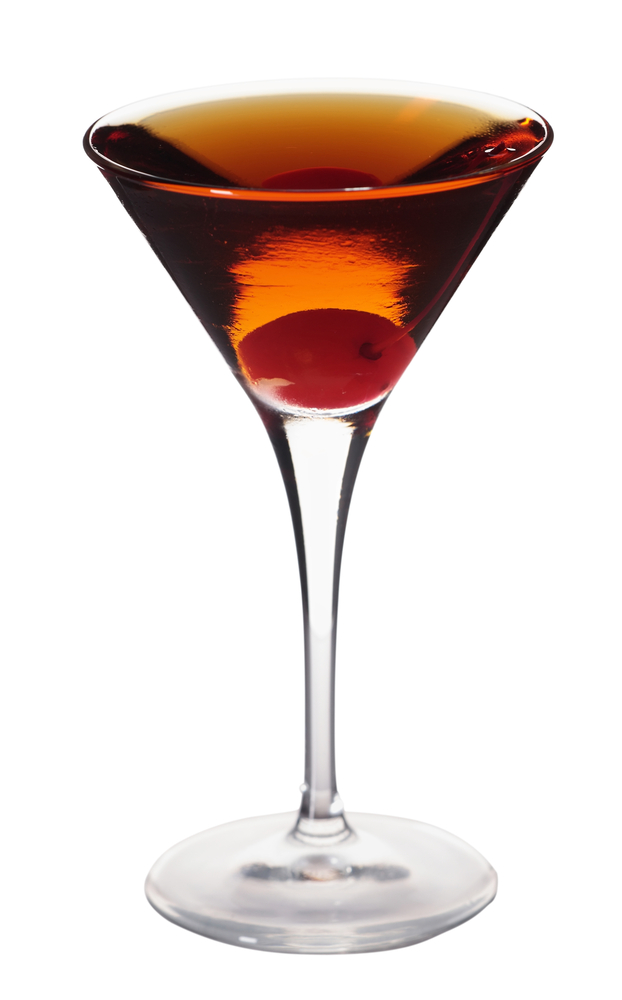
The Rob RoyFor the second week in a row, I’m revisiting classic variations of classic cocktails that have been mentioned here before but not fully explored. Though supposedly created by an anonymous bartender at New York’s Waldorf Hotel and named for the legendary hero of Scottish folklore, the Rob Roy is a pretty clear case of cocktail plagiarism at its finest. All it really is the Manhattan but made with Scotch rather than with rye, bourbon, or Canadian whisky. Still, as I noted in the second edition of DOTW, a Manhattan is really just a martini made with whiskey and capitalizing on the natural sweetness of rye, bourbon and Canadian whiskey, as opposed to the dry tang of modern day gin.
I also said at the time that I hadn’t figured out yet how to make a Rob Roy taste any good. It did take some time to revisit some recipes and experiment a bit with the more smokey and biting flavor of the Scottish brew in comparison to the sweeter rye and the almost-candy-like-in-comparison bourbon. Here’s the trick as I see it right now: We still use bitters, but we use them more sparingly.

The Rob Roy

2 ounces Scotch whisky
1/2-1 ounce sweet vermouth
1 dash bitters (angostura or orange)
maraschino cherry or lemon peel (garnish)

Add Scotch, vermouth, and bitters — using a light hand on the bitters — in a cocktail shaker with plenty of ice. Shake most vigorously and strain into a pre-chilled cocktail class and sip, preferably while pouring over a volume of Robert Burns’ poetry.

****

It’s true that the best laid plans o’ mice an’ men gang aft agley, and the hole in my plans was that I ran out of my beloved dry Noilly Pratt and forgot to try the dry version of the Rob Roy, which appears to be more popular than the less frequently discussed dry Manhattan. Both drinks simply use dry vermouth in place of the sweet variety and, traditionally, change the garnish from the cherry to a lemon peel or, if you’re me, an olive. If so, I would be extra careful with using Angostura bitters especially as Scotch is already a relatively harsh brew compared to North American whiskeys.

In general, though, to reiterate, the major distinction I would make between the Rob Roy and the Manhattan is that I strongly counsel being stingy with bitters on a Rob Roy, while I counsel greater generosity with them on Manhattans. Scotch is a pretty tough form of booze all on its own.

Drink of the Week: The Vodka Martini

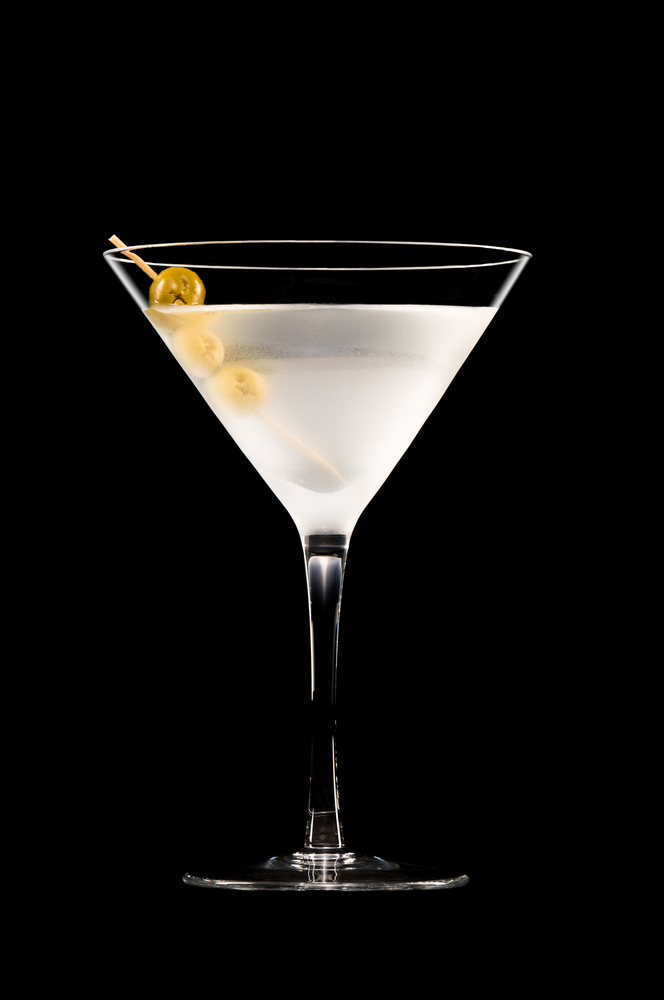
vodka martiniSo, this all started when, through the kindness of a smart and generous publicist working for Diageo, two bottles of very good vodka found their way to my door. Ketel One is the solid and very popular brand of premium liquor you probably all know, with its bright, clean taste. With a bit more complexity and bite than we usually associate with what was once marketed as “white whisky,” certified organic Moon Mountain Vodka, a small batch liquor, also came my way. Both are superior vodkas which, I’m certain, would do very well in any good vodka cocktail from a Bloody Mary to a Moscow Mule. Still, I decided to first enjoy them in probably their purest cocktail form, the vodka martini.

Now, careful readers with long memories may recall that we covered the martini — both gin and vodka — in the first ever edition of DOTW. Nevertheless, we didn’t really give the vodka variation its proper attention as a sturdy cocktail in its own right. (Many will insist it’s not the same drink and they’re not half wrong.) Today, we correct that oversight with, really, the first cocktail that ever became “my” drink and only partially because I grew up with James Bond on the brain. You’ll note that we’re using significantly less vermouth this time around.

The Vodka Martini

3 ounces vodka
1 teaspoon to 1/2 ounce dry vermouth
1 dash of orange bitters (optional)
Lemon twist or olive garnish

Combine vodka and a tiny, or teeny-tiny, amount of vermouth in a cocktail shaker. Also consider throwing in a very small amount of orange bitters. This may be heretical in some quarters, but we like our vodka martinis seriously cloudy with ice crystals, especially since we’re keeping the vermouth to a minimum this time, so all of these liquids should be poured over crushed ice, if you can manage it. Then shake like crazy for as long as you can stand to. Strain into a chilled cocktail glass with olives or a twist of lemon, though we prefer olives. Sip slowly, this is essentially two drinks in one. (Use 100 proof vodka only at your own risk.)

****

I have to admit to some small consternation when trying this at home that I never quite reached the level of smooth perfection that my very longstanding and extremely good friend, hostess par excellance Dr. R., achieves regularly with her vodka martinis. Apparently, however, her secret involves using just a smidge of olive brine, which technically makes her drink a dirty martini.

I love dirty martinis and I’m sure I’ll cover them at some point later on, but that doesn’t mean you have to wait. Apparently, her trick is to just use a drop of vermouth, and a touch of brine and lots and lots of crushed ice — and no bitters. I like my version but, I have to admit, her’s is pretty damn perfect.

As for which brand of vodka worked better…that depends. The Moon Mountain is better for those who really like to know they’re imbibing alcohol while being kind to the environment, while the Ketel One is slightly preferable for those who’d like to pretend they’re drinking an intoxicating iceberg.

Drink of the Week: Pumpkin Irish Coffee

Pumpkin Irish coffeeYes, I know, I haven’t covered real Irish coffee yet and here I am writing about a rather non-classic variation on same. I have my reasons. First, I want to acknowledge the start of Halloween Weekend 2011. Second, even in Southern Calfornia, the weather is finally cooling down and it’s time to run DOTW’s first ever warm beverage. Finally, more than traditional Irish coffee, this drink, promulgated by the good folks representing the reliably tasty Bailey’s Original Irish Creme, brings back many fond memories of countless youthful late night/early morning sessions of blackjack and craps fueled by even more countless rounds of allegedly free Baileys and coffee. How can you not love any drink combining the four basic food gambling trip food groups: caffeine, alcohol, sugar, and fat. I was certainly happy to get a free bottle of the key non-coffee ingredient in the mail.

Anyhow, this version is a nice autumnal variation on the Baileys and java theme that adds a dash of something extra, but not a speck of actual pumpkin flavor.

Pumpkin Irish Coffee

2 ounces Irish cream
4 ounces strong coffee or espresso
1/2 teaspoon pumpkin pie spice
Whipped cream
3 espresso beans (optional garnish and/or snack if you want to get extra wired)

Combine Irish cream and pumpkin pie spice (a melange of cinnamon, ginger, nutmeg, and allspice, but no pumpkin) as best as you can in a small coffee cup. Pour in four ounces, or maybe a bit more, of freshly made and hopefully very hot coffee or espresso. Stir again, rather vigorously. Top with whipped cream and, if you want to get fancy, three espresso beans. Sip, and remember, whatever you do, don’t split 10s and never bet the farm on hard 8.

****

I actually altered this recipe somewhat, cutting down the pumpkin spice from a full teaspoon to just a half. While the spices definitely add an extremely nice flavor to the coffee and alcoholic cream combo, they also have proven to be somewhat resistant to dissolving, even with the hot coffee. The result is a sludgy residue at the bottom of the coffee cup that I didn’t love. Cutting the amount of pumpkin spice in half, however, has also resulted in cutting the residue down to acceptable levels. Using actual super-hot espresso from a machine might also help on that score. If you do so, certainly feel free to experiment with going full pumpkin.

« Older posts Newer posts »

© 2026 Bullz-Eye Blog

Theme by Anders NorenUp ↑