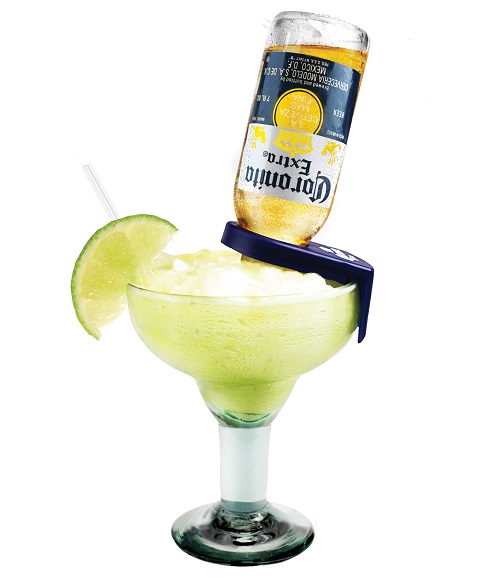
When you look at this photo, you can’t help but think about partying on Cinco de Mayo. If you love partying like we do, you definitely love this holiday, and this drink can definitely add to the festivities.
The CoronaRita is a fun twist on the Cinco de Mayo standard, the Margarita, so it will definitely get some attention. Here’s the recipe:
• 6 parts Corona or Corona Light
• 1 part Tequila
• 2 parts Margaritaville® Margarita Mix
• 1 part Triple Sec
• 1 Lime Wedge
Method: In a cocktail shaker, pour the first three ingredients (please do not pour beer in the shaker). Shake vigorously until ice cold. Strain into tall glass with 1/3 ice. Top with Corona beer.
So check it out and have a fun and safe Cinco de Mayo!
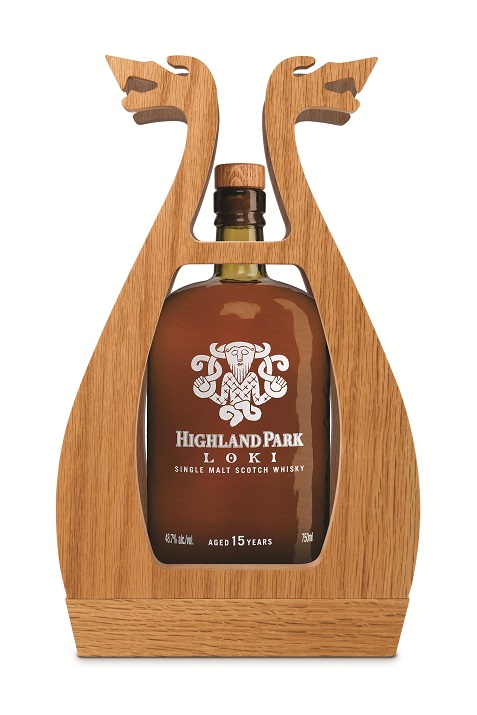
After trying Thor last year, we had the opportunity to check out the latest release for Highland Park’s Valhalla Collection, a set of four unique whiskies taking inspiration from the Nordic gods of old.
Loki is a 15-year old single malt Scotch that will definitely grab your attention. This creation is not for the faint of heart, as it was inspired by the “unpredictable, shape-shifting Loki character.” This Scotch was matured in both Spanish cherry casks along with heavily peated casks, so the result is a whisky with a very smoky punch. The taste is very complex and whisky aficionados will definitely want to try this one out.
It comes in the spectacular packaging you can see in the photo above, so this makes for a great gift idea with Father’s Day coming up. It’s not cheap at $249 but for the right dad Loki can help you mark a memorable Father’s Day.
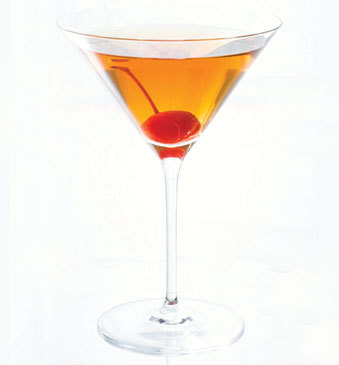
There’s a movie out right now called “Paris-Manhattan” but that is actually just a pretty massive coincidence. I haven’t seen this French homage to the films of Woody Allen, but I’m certainly willing to piggy-back on it by accident. What actually happened was I was looking for a cocktail that justified the big bottle of rather expensive St. Germain elderflower liqueur I’d recently sprung for. The Paris Manhattan is what I found.
As it happens, this drink is not an ancient classic like its antecedent, the Manhattan, but was developed in the mid 2000s, reportedly by famed cocktail writer and entrepreneur Simon Difford. (As far as I know, no relation to the very talented Chris Difford of the band, Squeeze.)
Difford apparently was somehow involved in the creation of St. Germain, which has become the go-to elderflower liqueur for almost everyone, and he therefore has a vested interest in this cocktail. Indeed, I personally think he put just a bit too much of it in his drink. No worries, though, because I’ve fixed it!
The Paris Manhattan
2 ounces rye, Canadian, or bourbon whiskey
3/4 ounce St. Germain/elderflower liqueur
1/2 ounce dry vermouth
2 dashes of aromatic/Angostura bitters
1 cocktail cherry or orange twist (garnish)
Combine the liquid ingredients in cocktail shaker or mixing glass and stir vigorously. Strain into glass and add the cherry or orange twist garnish of your choice. Drink to Paris, Manhattan, some other city, or just drink. You’ll be fine.
****
I actually tried shaking this one, but it really didn’t work. The extra water and ice crystals simply didn’t add anything, while nevertheless detracting from the flavor. More importantly, I found that I thought the original recipe, which called for a full ounce of St. Germain, was too sweet — though I liked the results better with the remainder of my nearly consumed Templeton Rye than with Old Fitzgerald bonded bourbon. Oddly enough, no recipes I found online called for any less of the very sweet, you might say honeyish, liqueur.
I nevertheless tried it with only half an ounce of the elderflower liqueur, and that was a major disappointment. It didn’t taste any less sweet but was just kind of sharp in an unpleasant way. Then, I tried only 3/4 of an ounce with the rye and — because I was running out, just a whiff of Canadian Club Sherry Cask. Bingo.
If you’ve heard of the Irish town of Tipperary, and you’re not from Ireland or the UK, odds are it isn’t because of this cocktail but because of the song, “It’s a Long Way to Tipperary.” Gary Regan surmises that the drink is actually older than the song, but in my opinion the drink has aged at least as well as the somewhat treacly yet lovable English music hall ditty of World War I vintage.
With its combination of base spirit, sweet vermouth, and a small portion of the flavorful ringer that, in this case, is green Chartreuse — and its lack of bitters — it’s a fairly close relative of last week’s original Corpse Reviver. It’s also worth noting as being another of the very small but apparently growing group of cocktails to be made with Irish whiskey.
A few years ago, I found myself in an Irish pub in San Diego and I asked the bartender if he knew any Irish whiskey cocktails aside from Irish coffee. He had no idea. Well, now if you find yourself in an Irish bar, here’s another suggestion (assuming they’ve got some green chartreuse on hand).
The Tipperary
2 oz. Irish whiskey
3/4 oz. sweet vermouth
1/2 oz. green Chartreuse
Lemon twist (garnish)
Combine the ingredients, stir, and strain into a chilled cocktail glass. (A wine glass may also do for this one.) Add the lemon twist, sip, and salute the sweetest girl you know.
****
I can’t explain why, but I just couldn’t bring myself to try this one shaken, but I can’t stop you from doing so. As for brands, I tried both the classic Bushmills and the two less familiar brands that we’ve been playing with here in recent weeks, Concannon and Kilbeggan. While Bushmills is my actual favorite of the three — none of them are remotely bad — I was surprised to see that it was the darkhorse Concannon that held up most formidably among the onslaught of sweet vermouth and Chartreuse.
As for the vermouth, Carpano Antica, once again, beautifully dominated the drink, but Noilly Pratt, as usual, produced a nice harmony as well. If you feel tempted to try other proportions, feel free. There are numerous variations of this drink online that I wish I had time to play with. Gary Regan’s involves rinsing the glass with Chartreuse and then dumping the remains, which sounds a bit wasteful but might well be worth giving a try.
I could go on a bit more about this drink, but there’s really not that much to say. It’s been a sad and bittersweet week for those of us in the writing and media game as Roger Ebert’s death still hangs heavy in the air. Roger had stopped drinking before he became as world famous as he was destined to be and I’m not sure if it’s even right to mention him here. At the same time, it doesn’t seem right not to mention him here, and he did enjoy spending time in a good bar even after he stopped actually drinking.
It’s even odder to post a clip from a classic TV show rather than a classic movie — except, of course, that Roger was also part of a truly great TV show — but this is the best usage of the most famous song about Tipperary that I know. It’s also about the ending of something wonderful.
As promised when I took on the Corpse Reviver #2 last June, I’ve finally gotten around to the less known apparent original drink to bear the name. While my first attempts at a Corpse Reviver made it easy to see why it has been eclipsed by the gin and Lillet Blanc based sequel, with the right ingredients it really can wake up your taste buds and temporarily enliven your soul. We’ll simply ignore the fact that I happen to be writing most of this post on Easter Sunday of 2013.
In any case, the real reason for the name is that this drink is supposedly a hangover cure — though it’s not so much hair of the dog as a good chunk of the canine. Nevertheless, let us begin the revival.
The Corpse Reviver
1 1/2 ounces brandy or cognac
3/4 ounce Calvados or another apple brandy
3/4 ounce sweet vermouth
Combine the ingredients in a cocktail shaker or mixing glass. Although I’m generally in favor of shaking over stirring, I say you should stir your Corpse Reviver. Little ice crystals are the last thing you want in this drink. Nevertheless, stir vigorously and strain into a chilled cocktail glass and drink — to life, I suppose.
****
I messed around with the ingredients a lot on this one, but I used only one type of apple brandy. Calvados seems to be the classic choice of apple brandy for this drink and the Calvados Coquerel I’m using is expensive enough for half a fifth that I wasn’t in the mood to try out any competitors or more downhome variations. (Some recipes call for applejack.) I had just enough left over Ile de Ré Fine Island Cognac on hand to make one very sophisticated, yet perhaps too understated, version of the drink using my standard Noilly Pratt sweet vermouth.
I moved on to my personal favorite value brandy, Reynal, which isn’t made with genuine Cognac grapes but which is produced by a company with offices in the French town of Cognac. Using the Noilly Pratt vermouth along with the Calvados yielded an acceptable, but very unspectacular drink.
However, I still had some Carpano Antica on hand that had been thrown my way by mysterious benefactors — improperly stored due to a massive snafu on my part but still acceptable for use. That yielded a lovely result, with the bittersweet, chocolate-like character of the high end vermouth providing a very nice bottom against the lighter, boozier notes of the brandies. I was less pleased — but still pleased — when I tried the exact same drink with another favorite, Punt e Mes, which is in many respects very similar to Carpano but a bit sharper edged. Try it with one of those.
Now, we come to the point in these weekly missives where I usually like to make some kind of a quip or draw some larger conclusion about the drink. With a name like the Corpse Reviver, I suppose you’d expect that. The problem is that I really have no “larger” thoughts right now other than the fact that I certainly do not recommend this drink as a breakfast beverage. Maybe the gods of cinema can give me a hand.

 If you’ve heard of the Irish town of Tipperary, and you’re not from Ireland or the UK, odds are it isn’t because of this cocktail but because of the song, “It’s a Long Way to Tipperary.”
 As promised when I took on


