Category: Interviews (Page 14 of 46)

A chat with Paul Walker (“Hours”)

paul_walker

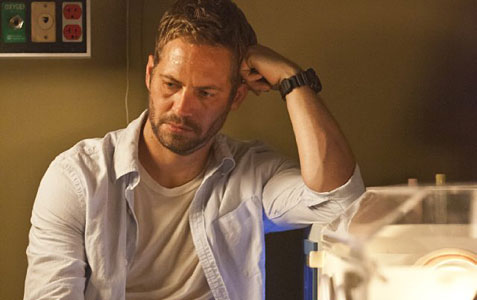
In “Hours” (available in select theaters and on VOD December 13th), Paul Walker portrays Nolan Hayes, a man who has to deal with the consequences of Hurricane Katrina while facing a personal tragedy surrounding the birth of his daughter. The film contains elements of action, thriller and caused the actor to encounter a personal attachment to the movie. Prior to his tragic death, Walker sat down to discuss the challenges and satisfaction in taking on such a unique role, as well as his relationships with his “Fast and the Furious” castmates.

With the clock ticking away, what did you tap into as an actor to relay that urgency?

PAUL WALKER: We were probably about two-thirds of the way into the movie and it hit me what the significance of this project was to me. It was weird the way it happened. Just by page value, I was like, “Wow, this is pretty powerful.” I was crying and upset and yelling at him. I was feeling all these emotions. I realized it wasn’t about Nolan and a baby, and this beautiful girl. This is life and this machine is just this crazy thing I’ve been running for I don’t know how long. I’m just spinning it for what reason? I’m just juggling all these balls. You’re trying to make sense of it and it hit me when I was a kid. I started doing this in my early twenties. I was like, “I’m a science guy. I’m a geek. I’m into science and botany and marine sciences. I’m supposed to be outdoors and hiking. Maybe I’m supposed to be a professional guide.” I fought this for years and years and years, but at the same time, I wasn’t stupid. I was like, “I just had a child out of wedlock. It’s a good thing I’m making another movie. I’m going into “Varsity Blues,” just before I thought about leaving. I could put a roof over my baby’s head and then I could figure out my stuff. I’m in this movie and it speaks to me in a very pure and truthful level. What I didn’t realize is that this is my life. This is all of our friggin’ lives. We’re running around and cranking this stupid machine and we get flat-backed and something crazy happens to us and you look inside the box and go, “Holy shit.” So, I was about two-thirds into the movie and thought, “Oh my god, this is so therapeutic.”

How much of a physical toll was doing this movie?

PAUL WALKER: It was a walk in the park. (Laughs) It had a good balance, the physicality and the emotional component. I remember it being around midday and going, “Holy hell, I’ve got six hours left to go,” but at the end of the day…let me go back. My father was a contractor. He made me learn a different trade every summer going through high school. All of his buddies were tradesmen. My dad was like, “They can never take skill sets away from you. That’s something you’ll always have, so you’ll always be worth something, because you’ll always be able to provide a certain service.” He’s smart like that. My grandfather’s like that, too. At the end of the day, you can go, “Wow, look what I did.” Movies don’t have that. A film goes off in a canister or on a digital chip. There’s nothing to show for it. I said some things and I was trying to be cool, but that’s about it. (Laughs) That’s all you have. On this one, at the end of the day, I was like, “I experienced some stuff today. I felt some things.” I connected with Genesis. I loved that girl, working off her. I fell in love with her. It was reinvigorating. At the end of the day, I was like, “There might not be anything to show for it, but there’s something to feel for it.” So, when it came to work and getting up the next day, I was like, “Hell yeah!” I was ready to go.
Continue reading »

BMX Beast: A chat with Drew Bezanson

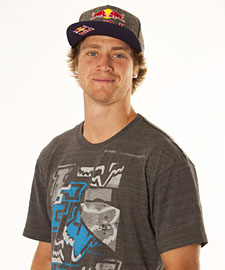
drew_bezanson

Bicycles are the center of focus for countless professional athletes, from clean-shaven Tour de France cyclists, to explosively aesthetic BMX riders.

Almost every kid in America had a chance to shred around on a BMX bike when growing up. Some picked up the desire and ability to perform tricks, while the majority simply connected with the machine as a means of transportation. Either way, few, if any, will debate the fact that those who make it to the professional circuit are individuals with an incredibly extensive set of skills and enviable lack of fear.

Canadian Drew Bezanson caught the bug early in middle school after visiting a local skate park, and his progression since then has been nothing short of amazing. 2010 Transworld BMX NORA Cup for Ramp Rider of the year, Toronto BMX Jam, the JoMoPro, plus a couple of Simple Session wins and notable X Games and Dew Tour performances.

I had the pleasure of seeing Drew compete at this year’s Dew Tour in San Francisco, where he not only tore it up for a sixth place finish in dirt, but fell just outside the podium with a fourth place in streetstyle. The dude is a beast on a bike, plain and simple.

You can watch countless videos of BMX riders pulling out all the stops to land technically ferocious tricks, but it really is a spectacular thing to witness in person. The cliché praises spoken from long-haired, ex-pro announcers can be a bit corny at times, but the physicality and skill shown in competitive BMX truly is some insane shit – it’s undeniable.

Taking this into account, it was great to speak with Drew on what it’s like to actually be one of the select few that can say they are a pro BMX rider, and all the shenanigans that go along with it.

Did your traumatic head injury in 2011 effect the way you have competed since then, and are there certain things you avoid entirely when riding?

At first, it was definitely scary, but when you have that much time off the bike and can assess everything… I could get hurt doing anything. BMX is what I love to do. But I am a little safer now by always wearing a helmet and mouth guard.

Such a small group of people actually break through and become a professional athlete. Does this ever lose its luster or are you super motivated most the time?

It’s definitely an emotional roller coaster, and it is the way I pay my bills, but what I liked about BMX when I started was that I could do it whenever, wherever and however. If I didn’t want to ride my bike, I didn’t have to, but now there are some times where you’re sore and beat up and would love to take a day off, but you have to ride. So it’s up and down. You do get burned out a little bit, but I still love it.

Continue reading »

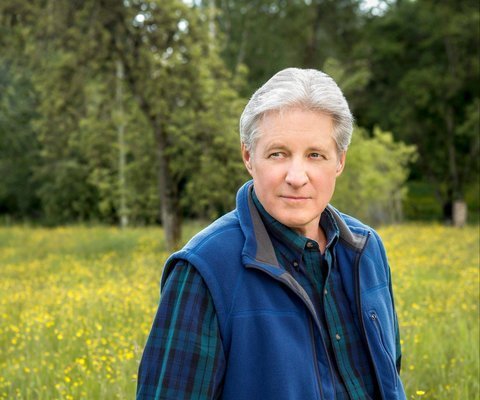
The Light from the TV Shows: A Chat with Bruce Boxleitner

Bruce Boxleitner has been making a living as an actor since the early ’70s, but there are many who consider the ’80s as the era when he really hit his stride, thanks to him having starred as the title character in “TRON” and following up that success with four seasons as Lee Stetson on CBS’s “Scarecrow and Mrs. King.” Then, of course, there’s his work during the ’90s as John Sheridan on “Babylon 5,” and…well, basically, what we’re saying is that Bruce Boxleitner’s fanbase is multi-generational.

BBCCHeader

Currently, Boxleitner is a regular on the Hallmark Channel original series “Cedar Cove,” but he also continues to keep busy on other projects, including a new holiday film called “Silver Bells,” which makes its small-screen debut on UP TV on Dec. 1. Bullz-Eye had a chance to talk to Boxleitner about both of these projects, along with several other items from his back catalog, but there were actually two conversations: one in person, one on the phone. The first one took place during this summer’s Television Critics Association press tour, and the second…well, I’ll explain about that one when we get to it.

For now, though, here’s our chat from the TCA tour…

Continue reading »

Ron White Still Loves His Scotch, But Now He’s Talking Tequila, Too

RonWhiteALU1

Earlier this month, I had a chance to chat with comedian Ron White – you probably know him best from his work on the Blue Collar Comedy Tour – in conjunction with his latest round of tour dates featuring a night in my home town of Norfolk, Virginia. We chatted for quite some time…enough time, in fact, for me to pull together a piece for the Pilot (“Interview: Comedian Ron White Prefers His Shows Live“), an altogether different piece for AntennaFree.TV (“Pilot Error: Comedian Ron White Reflects on ‘Señor White’ and Takes Us Through ’12 Miles of Bad Road’“), and still have a bit more material left over.

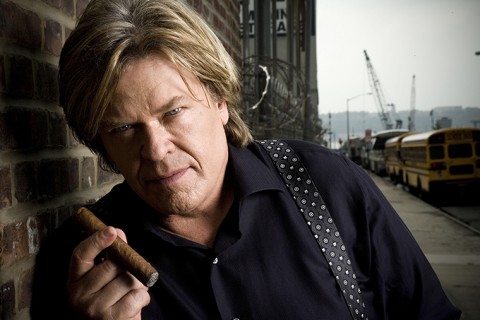
Ron White with cigar

It’s not really “left over,” though, as I made a point of keeping this portion of the conversation for Bullz-Eye. I mean, come on: if Ron White talking about the tequila company he co-owns with his brother-in-law, fellow comedian Alex Reymundo, isn’t something that’s got “Bullz-Eye” written all over it, I don’t know what does. 

Once upon a time, White was quoted as saying, “There were years when I was a beer and tequila guy, then I got real fat. And then I found that you could actually go on a diet and drink scotch. Then I got hooked on scotch, and if you get hooked on scotch, then everything else just tastes wrong.” Apparently, he’s changed his tune a bit on tequila now that he’s selling the stuff. Then again, from the sound of it, this tequila probably tastes a hell of a lot better than the stuff he was swigging back then.

The topic of tequila came up somewhat offhandedly, when I asked White about his writing regimen. In the process of explaining that he writes most of his material on the road, getting input from the team of folks who travels with him, he began listing off the travelers by saying, “I’ll have an opening act, usually my brother-in-law, who’s also my partner in my tequila company. He and I own a company called Number Juan Tequila. Best tequila in the world.” He didn’t mention it again after that, but having thrown that tidbit into play, I decided to pick it up and run with it a few minutes later.

Number Juan Tequila

Bullz-Eye: So how did this tequila company come about?

Ron White: Well, my genius brother-in-law, Alex Reymundo, has been working on it for probably four years, going down to Mexico. He’s from Mexico. My wife (Margo Rey) is his brother, and they were all born in Acapulco. Their father was a cliff diver – no shit – and they moved down here when Margo was one or two and were raised in Texas, but he’s always had this connection. They always went back on long holidays, extended holidays, especially at Christmas, where they’d get in the station wagon, all seven of ‘em, and plow on down to Acapulco, which is, uh, not very close to here if you’ve ever looked at a map. [Laughs.] It’s way down there. I can’t even imagine, ‘cause I’ve driven in Mexico before, and this was back in the ‘70s. But they did it, so their connection to Mexico was always real. They all speak Spanish fluently, and they all speak English fluently.

So he started going down there, and he talked to a buddy of his who said, “You’ve just gotta come taste this tequila!” And Alex went and tasted it, and he said it was the best tequila he had ever tasted, and he wanted to meet the people that were making it. So he went to Jalisco, Mexico, and went out in the fields and kind of studied tequila for a while. I mean, one of our ads for radio was gonna be, “We don’t always drink tequila.” [Laughs.] “Nah, we’re just fucking with you. We always drink tequila!” But he went down there and met this family, and they were making this tequila but only selling it in Mexico. They sold it in resorts, and it was really, really, really expensive stuff. Like, ridiculous. Like, $150 or $300 a bottle or whatever. But they had the capacity to make a lot of it. I mean, not compared to Patron, but compared to what they were making. But they had no presence in the United States.

So Alex went down there and made a deal with them, which took a while. [Laughs.] He had to convince them that they could trust him to do a good job. But he’s done an amazing job. We’ve already won two gold medals for our Extra Anejo, we won the Santa Barbara Tequila Harvest and the Mexico Spirits Competition in San Diego, which is use. In that one, we won the Gold for our Extra Anejo, our Blanco and Reposado both won Silvers, and we won Best in Show for Packaging for the whole thing. And he did all that! I mean, he did it. He picked out and had the bottle made, the labels, everything it takes. The box, the pictures… It was a lot of stuff that he did just out of passion.

NumberJuan1

So I always said… [Starts to laugh.] Because, you know, I didn’t know what he was doing, but I knew he believed in it, so I always just kind of said to myself, “If he gets it on the shelf, I’ll come on board.” And I did. And I love the tequila, and…it’s fun. It’s a fun story. And neither of us need it to live, you know, so it’s not like we’re living out of a car while we’re trying to figure out somebody to buy this juice. But it’s a fun project, and my son’s involved, so he gets to go out there to great bars and go, “Hey, this is my dad and my uncle’s tequila!” But to watch people’s face when they taste it… It’s just an amazing-tasting tequila. It’s really a cognac-y tasting stuff. The old one is. It’s five years old, the Extra Anejo. What else can I tell you about it? [Laughs.]

BE: Well, I was just going to say a moment ago that I associate you so much with scotch that it was surprising to hear that you’re partners in a tequila company, but it definitely sounds like some upscale stuff if you’re comparing it to cognac.

RW: Oh, yeah, it is. Give it a try! You can order it online. And we need the sales. [Laughs.] The Number Juan Extra Anejo is my favorite, but the other two are winning awards, too. It’s really amazing just how long America bought just really shitty tequila – I mean, really shitty – when you consider what could’ve been done just by waiting seven years to harvest the plants. It tastes different every year up until the seventh year. If you take no short cuts and you really know what you’re doing… They’ve been harvesting plants, this family, for a hundred years, and they’ve had small distilleries for 35 years. But now they have… The uncle has a much bigger, more modern distillery right down the street, so if we run into volume problems, he’s not running at capacity, either, and he’s making almost exactly the same thing from the exact same plant.

So that’s Ron’s take on the Number Juan line, but in the interest of equal opportunity, we thought we’d close by offering up this video featuring Mr. White’s business partner and brother-in-law, Alex Reymundo, filmed as he was prepping for a photo shoot that spotlighted the Number Juan brand. It’s not terribly long, but he does provide a bit of tequila history that ties nicely into some of Ron’s remarks.

A chat with Jason Statham (“Homefront”)

jason_statham_1

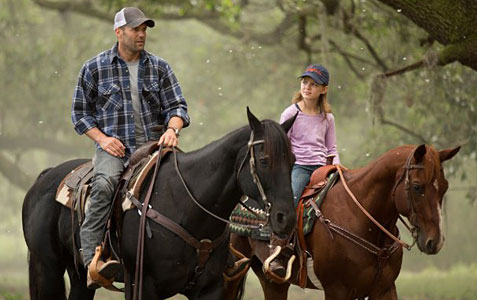
Time really flies when you’re having fun. It seems like yesterday that audiences fell for Jason Statham in Guy Ritchie’s “Lock Stock and Two Smoking Barrels.” Of course, it’s been 15 years and Statham’s enthusiasm hasn’t waned one iota. The London native has gone from former model and stuntman to arguably the hottest action star around. The man best known for his sarcastic delivery and closed combat action scenes mixes a bit of tenderness in his new role as Phil Broker in “Homefront,” based on the novels and adapted by his “Expendables” castmate Sylvester Stallone. Jason recently sat down with us to discuss the role, Stallone’s influence and the topic of bullying.

Amazing performance in “Homefront,” Jason. How much of it do you attribute to Sly’s script, which he had originally written for himself?

JASON STATHAM: Yes, totally. You can only have a good shot if you’re doing something of quality. If the writing’s no good, then what are you going to do with it? You’ve got good things to say and the situations are right. It’s all about what’s on the page. It goes back to that every time. More often than not, I can’t get Sly right for me. (Laughs)

You’ve done his work before, but how surprised were you with the quality of the writing?

JASON STATHAM: I look back at “Rocky” and it’s a bit of a masterpiece when you look at the writing. It’s just great. I think people tend to forget just how many films he’s written and what a prolific writer he is. He’s done so many. I think he lost sight as to how good this was and I got in there at the right time. I got a bit lucky there. (Laughs) He’d always been giving me advice, saying, “You really need to do something that shows a different side.” I said, “What side?” And he said, “Have a read of this.” And it was almost advice, but here’s how to do it. (Laughs) I remember that as a great moment, as in, “Thanks for the great advice and for showing me how.” He’s great. He’s been a massive influence on me. I’m grateful. I’ve been on a great film with great actors. I’ve been cast with people who used to be hairdressers. Now, I’m cast with James Franco.

It doesn’t seem fair when you see Statham versus Franco. Do you ever think in that adversarial way when you’re cast?

JASON STATHAM: It’s so much more interesting, because he’s so much more dangerous. He’s totally unpredictable and that psychotic nature is much better than me standing in front of a big musclehead and then me having to chop him down like a big tree. He’s manipulating things which means far more. To have your daughter in jeopardy, it can’t get much worse than that. He’s torturing our pets. (Laughs) It’s pretty sick. Once someone starts messing with your animals, the stakes are higher. You need someone who has this eerie kind of weirdness and that unpredictability. It’s a much better choice than someone that’s going to duke it out with me.

Continue reading »

« Older posts Newer posts »

© 2026 Bullz-Eye Blog

Theme by Anders NorenUp ↑