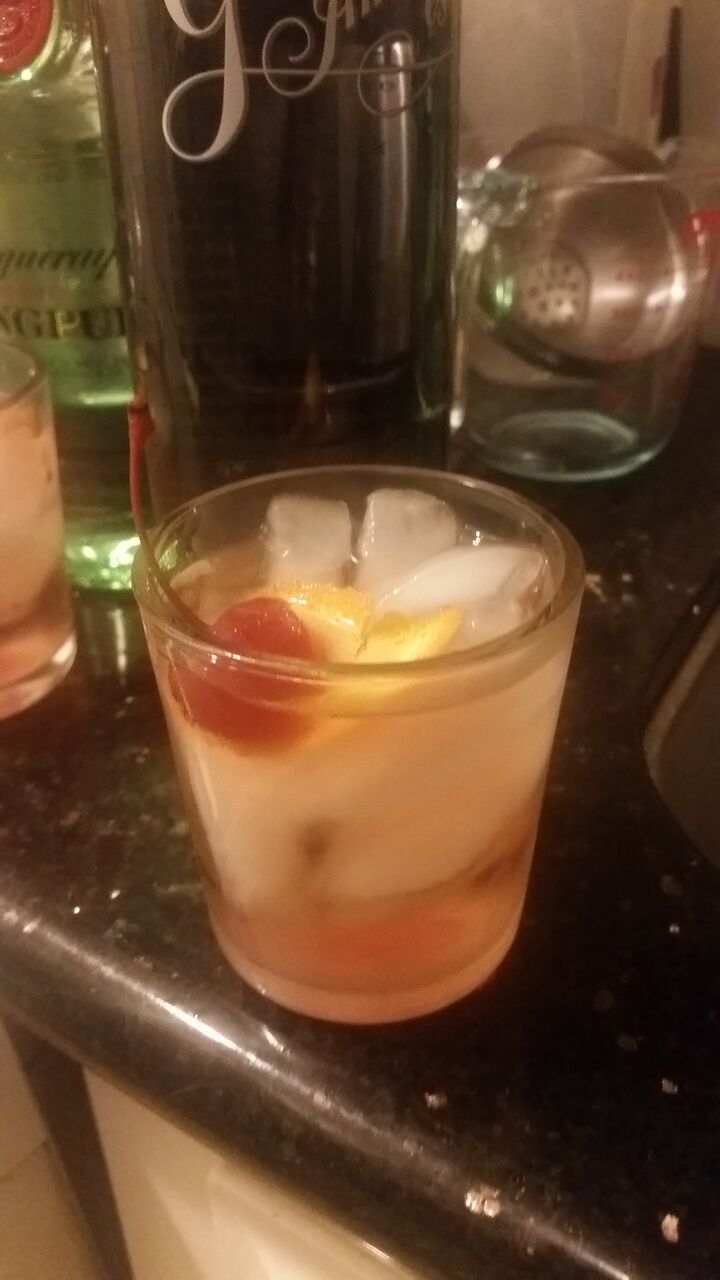
 Before there was gin, there was genever — sometimes also called jenever — a concoction that is similar and yet different from the ubiquitous clear booze we now enjoy in our martinis and G&Ts. One obvious geographical difference is that most gins are now made in England or thereabouts, and by law, a liquor can only be marketed as genever if it’s from the Netherlands or Belgium. Only a few brands can be found at all in the United States and, so far, I’ve only seen one on store shelves: Bols Genever. The flavor is definitely different; the manufacturing process is more similar to whiskey, and many detect a more malty flavor.
There’s quite a bit more history on how Dutch genever became English gin, and you can learn some of it in a post I wrote a few years back. However, I never actually owned a bottle of the stuff until this week, when curiosity finally got the better of me and I purchased a bottle of Bols. In Europe, I understand that genever is often served more or less in the same way that whiskey or vodka is traditionally consumed there — more or less straight, possibly with a beer chaser or with a small amount of sugar. It’s use in cocktails is something I’m still learning about, though I know it has been mentioned in some of the oldest cocktail books.
I am, however, under the impression that Old Fashioneds are one popular way to serve genever, and the ur-cocktail seems like a pretty good place to start with one of the ur-liquors. At the same time, genever isn’t whiskey, so you might want to vary the recipe ever so slightly from the basic whiskey Old Fashioned. Or, maybe you don’t.
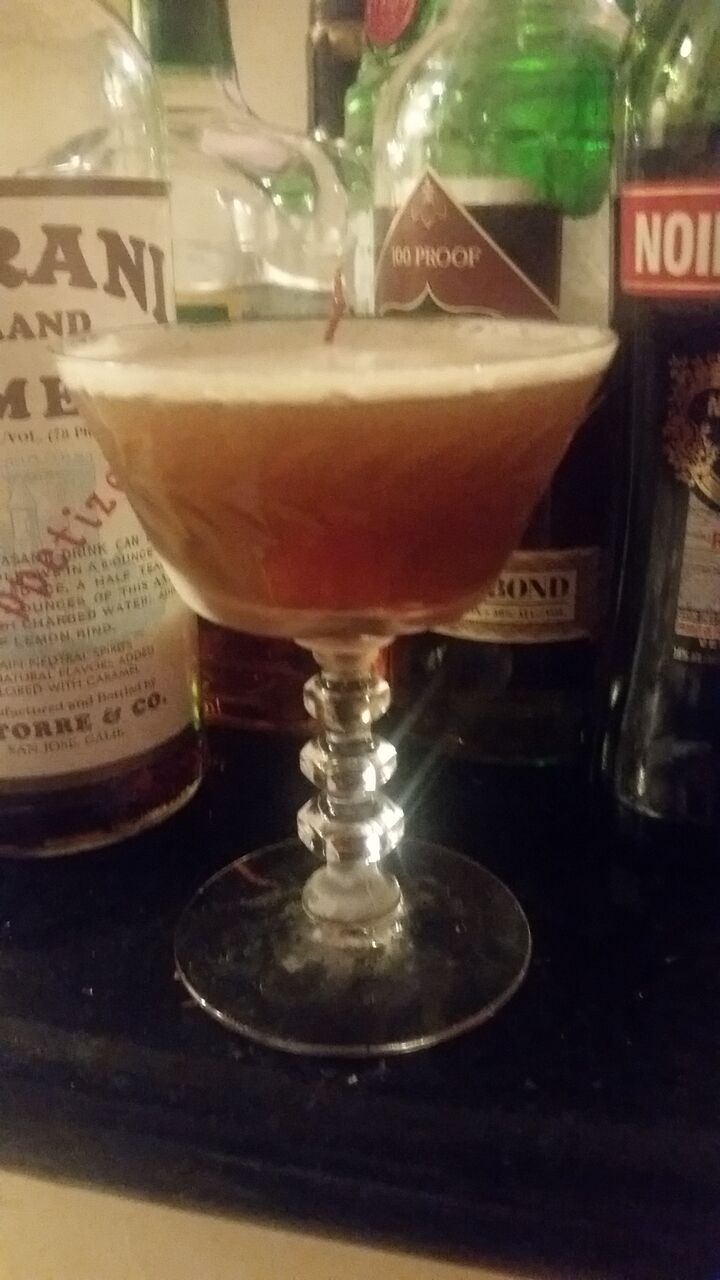
 At the start of Labor Day weekend 2014, I gave you the updated version of the Liberal, a classic cocktail that I still think fits very nicely with a holiday that was created to honor the American labor movement, but which was also placed on the calendar pretty far from International Workers Day (May 1), a holiday associated with labor movements that had more radical connections. As a center-left type who will very definitely NOT be voting for Jill Stein this coming November, I am quite comfortable being described as an old school bleeding heart liberal, and so I am happy to now be providing the old school version of the drink, more or less cribbed from Ted Haigh’s essential “Vintage Spirits and Forgotten Cocktails.” On the other hand, I’m sure conservatives could enjoy this drink as well; at least it’s not called The Progressive.
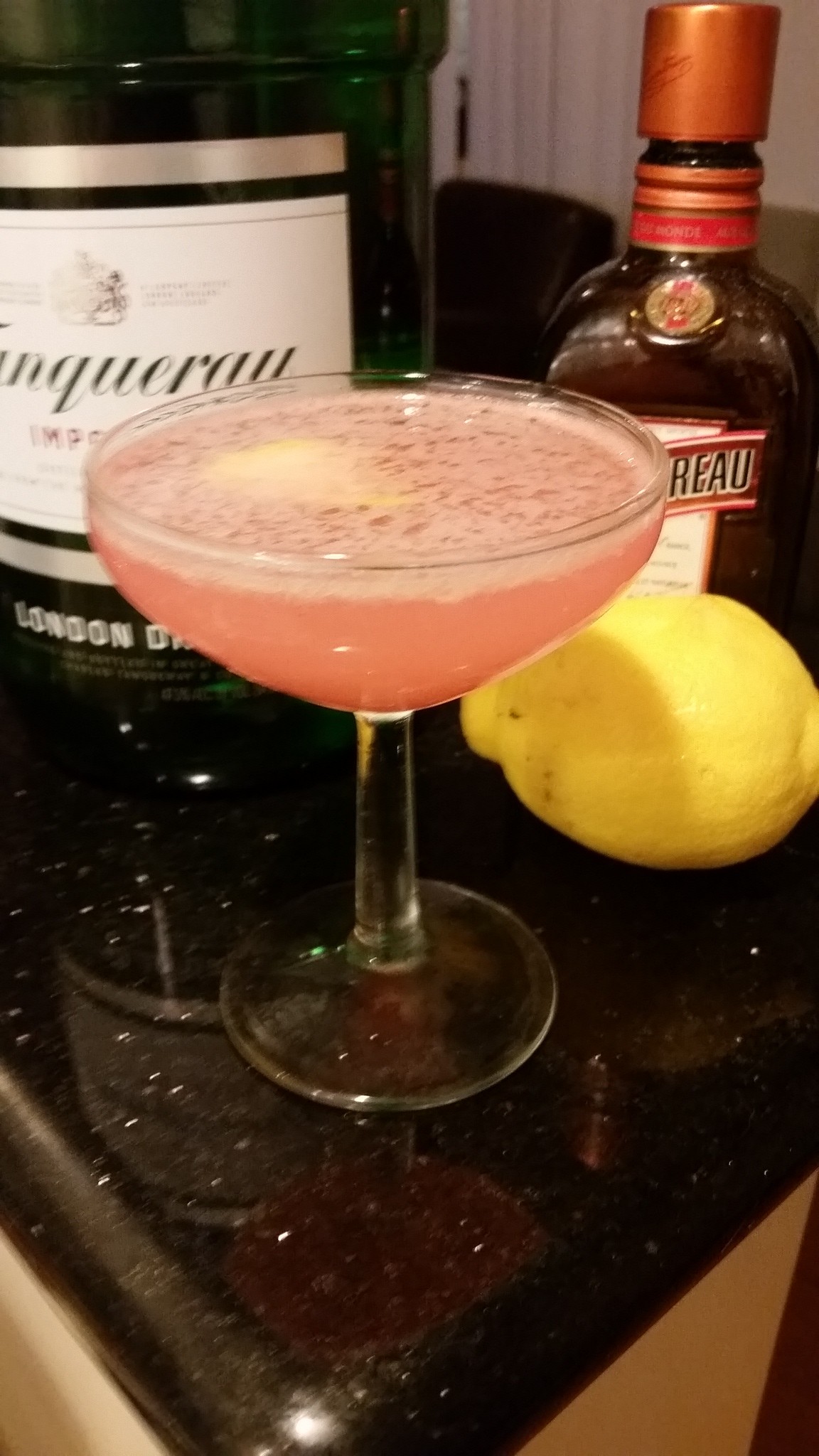 When I get into online debates with my fellow left-leaners or culture geeks, I’ll often think to myself (or say in words) that their argument lacks a sense of proportion. Indeed, proportion is possibly the single most important part of any position or, very definitely, any mixed drink. That’s why high-end craft bars will often gladly tell you all the ingredients in a drink while steadfastly refusing to provide the proportions, because therein lies the keys to the cocktail kingdom.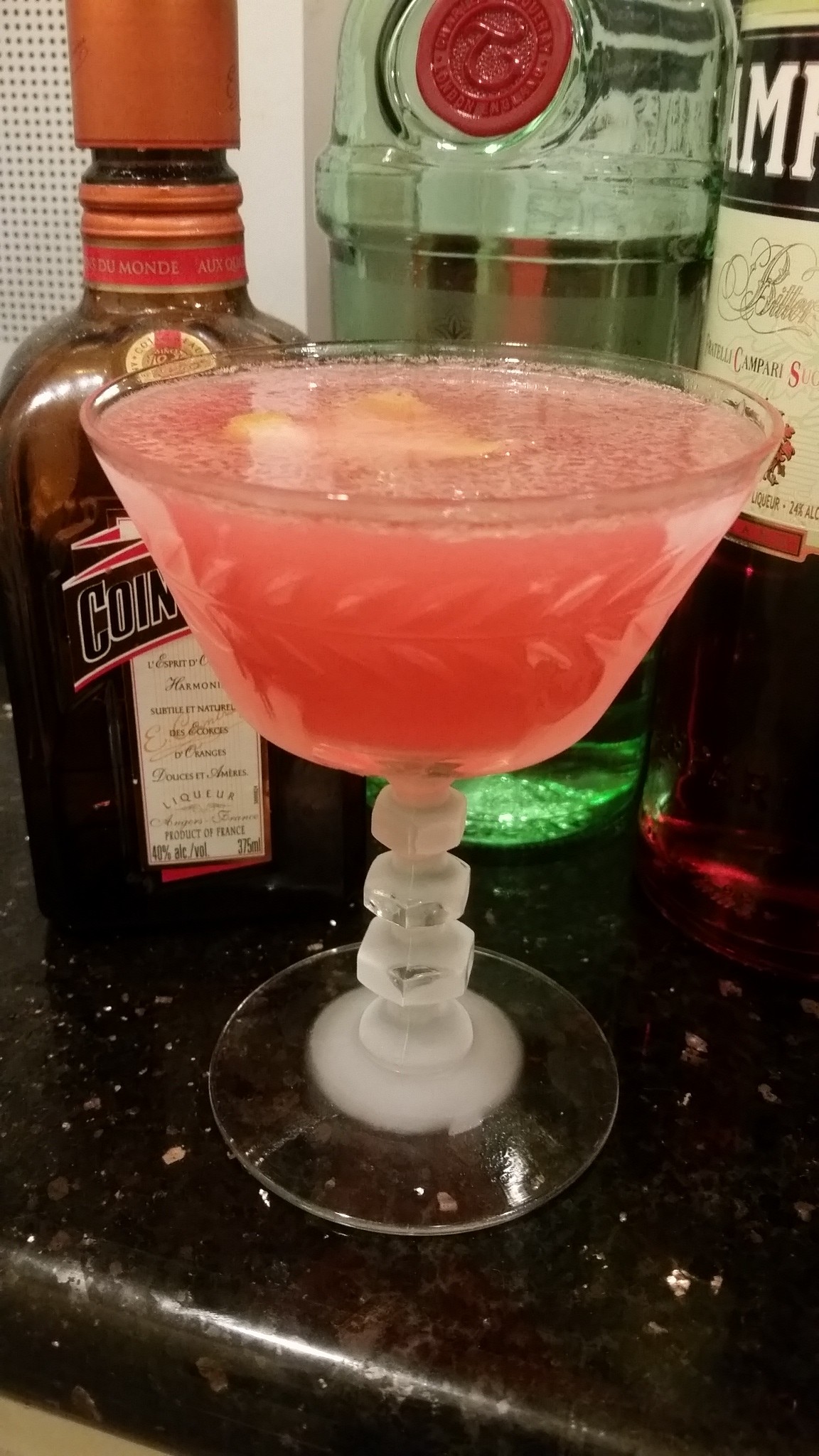
 I found the Jasmine Cocktail, or simply Jasmine, in Robert Hess’s oh so reliable “The Essential Bartender’s Guide.” Today’s recipe, however, is actually the second version of the recipe that Hess presents and I decided to do this version for a reason. You see, while the ingredients in both Hess’s version and the original, reportedly created by bartender and writer Paul Harrington in the 1990s, are the same, the proportions of everything but the base spirit are wildly different.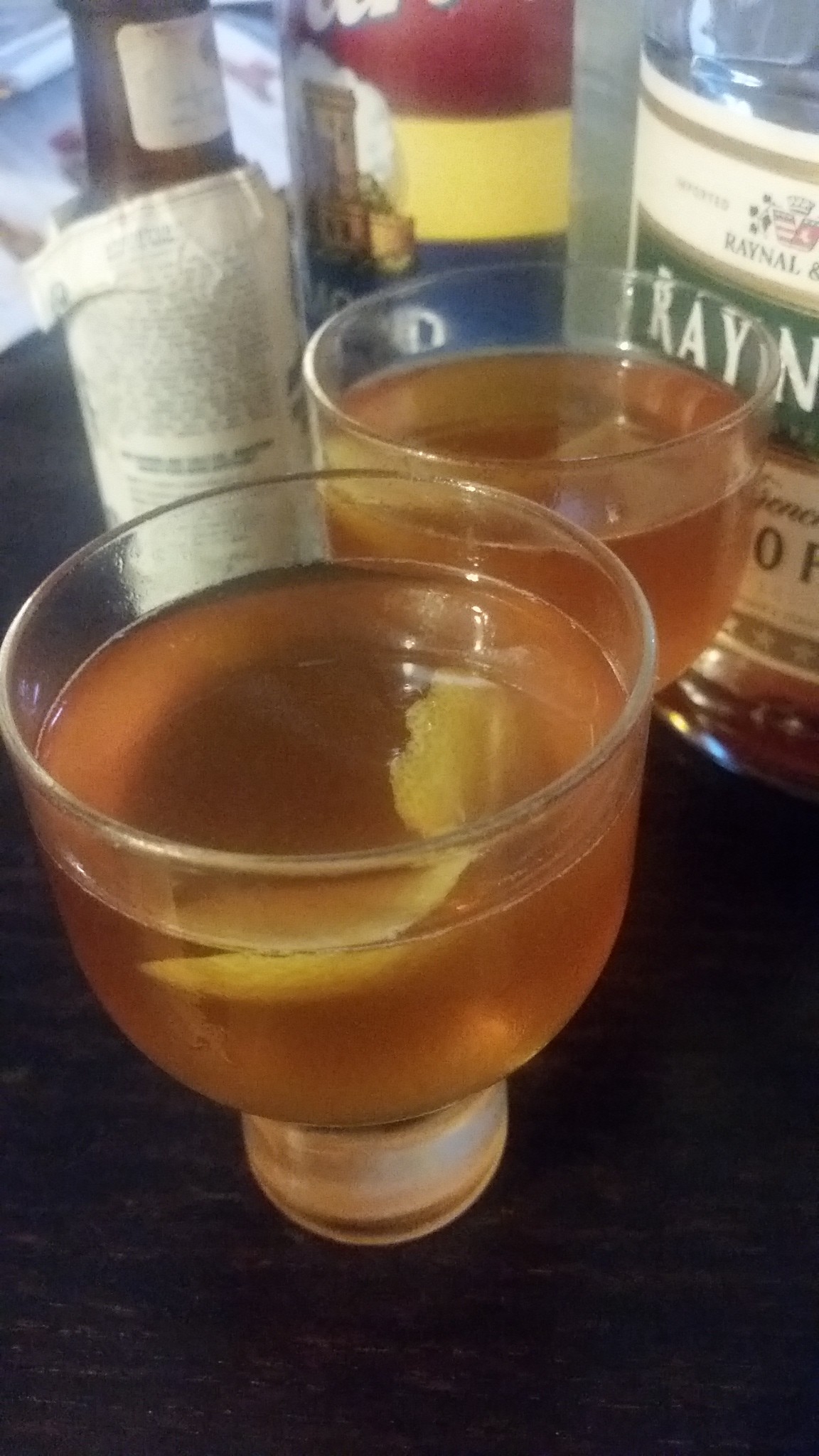
 Just as there was nothing particularly Hawaiian about


