Tag: cocktails (Page 43 of 62)

Drink of the Week: The Vieux Carre

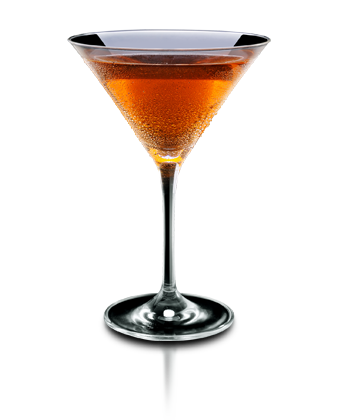
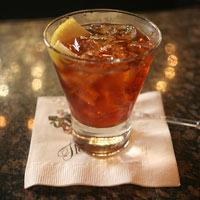
The Vieux Carre.Like most Americans, I’m not exactly a polyglot. Four years of junior high and high school Spanish have been of great assistance in helping me to order  items at taco trucks; three quarters of college French allow me to chuckle knowingly to myself when “merde!” is translated as “damn!” in subtitles. So, I can’t properly pronounce the name of the Vieux Carre, but I can tell you it means “old square.” That square, as it turns out, is off of Bourbon Street in New Orleans, and this is another fine cocktail associated with America’s most intriguing cocktail capital.

Quite obviously, however, this is not in the same category as a Hurricane and it’s not the one of the scary, gigantic green drinks featured on this year’s season premiere of “Bar Rescue.” While, for me, the Vieux Carre doesn’t quite achieve the classic cocktail nirvana of a Sazerac, this is one beverage that actually gets tastier the longer you let it sit. It’s perfect for a long conversation and, by the end of it, even ever-so-justifiably-furious bar rescuer John Taffer might get mellow enough to maybe stop shouting for just a second.

The Vieux Carre

3/4 ounce rye whiskey
3/4 ounce cognac or brandy
3/4 ounce sweet vermouth
1 teaspoon Benedictine
2 dashes Peychaud’s Bitters
2 dashes aromatic  bitters (Angostura or similar)
1 lemon twist (garnish)

Making this drink is about as easy to make as it is to get a buzz going in the French Quarter. Build over some ice cubes in a rock glass, stir, and add the lemon twist. Toast whatever or whomever you like, but do so slowly.

****

I’m very sorry to say that this week’s post completes my trilogy of drinks of cocktails featuring Camus’s Ile de Ré Fine Island Cognac. Sadly, that’s the case because I polished off the bottle last night. No disrespect to my value-priced go-to brandy, Reynal, but there’s a reason the Camus people get to charge the big bucks for this stuff. It’s great in a cocktail and remarkably easy and pleasurable to drink neat. Good thing I still have a few airplane bottles of various Ile de Ré expressions in my alcohol laden larder.

My rye for this double-base spirit cocktail was another new freebie favorite we’ve featured here before, the lovely Templeton Rye, previously featured in the Capone.  I usually lean towards higher proof ryes like my old pal, 100 proof Rittenhouse, but that might have been a bit much in this context; Templeton’s more mellow flavor makes it a pretty perfect match for a Vieux Carre.

I experimented quite a bit with the other ingredients. Many recipes call for more booze and somewhat less of the Benedictine — a very sweet herbal liqueur which famously mixes well with brandy. I also tried three different sweet vermouths, all favorites. The lightest was Noilly Pratt, which was very nice, but an even better result was achieved with the greatness that is Carpano Antica. (Yet another freebie previously featured here).

I also tried it with another great product I’ll be featuring later, Punt e Mes. In that instance, it sort of dominated the cocktail but, since I love, love, love me some Punt e Mes, I didn’t really mind.

One final note, apparently to really do the Vieux Carre right, some people suggest you should make it with just one very large ice cube. Sounds cool, but I guess I need to find an ice cube tray that make 3″x 3″ ice cubes.

 

Drink of the Week: The Egg Sour

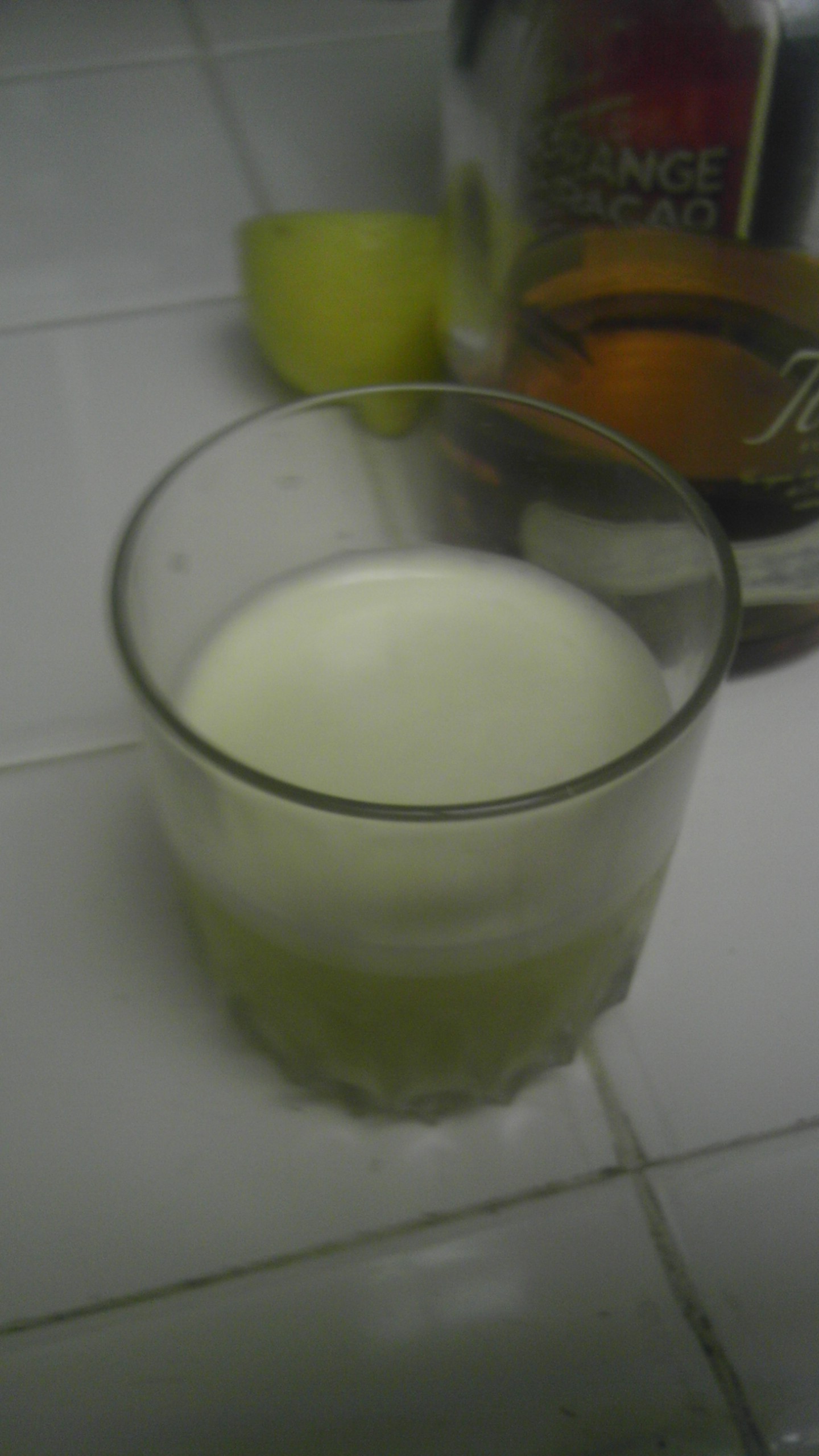
Image ALT text goes here.A coworker of mine pointed out to me recently that  a good chunk of my post on eggnog from Christmas of 2011 consisted of warnings, provisos, and disclaimers about the use of raw egg. Well, I included no such warning on my post on the amazing Pisco Sour a couple of weeks back, although that used only a pretty small amount of egg white. Today, I’m throwing all caution to the proverbial wind with a drink featuring an entire egg — yolk and all. The fact that I had about 9 bird ova in the fridge threatening to go to waste earlier this week is entirely coincidental.

The Egg Sour appears to have originated in print via Jerry Thomas’s classic bartending guide from 1887 — back in the days when refrigeration was rare and penicillin was nonexistent but people knew a tasty and seriously refreshing libation when they tasted one. This drink would also fall easily into the category of a breakfast drink. While I don’t usually go in for that sort of thing, this is certainly a first-rate, and more potent, mimosa alternative.

The Egg Sour

1 ounce cognac or brandy
1 ounce orange curaçao
1/2 ounce fresh squeezed lemon juice
1 teaspoon superfine sugar
1 large egg

Combine your cognac, curaçao, lemon juice, whole egg, and sugar, in a cocktail shaker. It’s not entirely necessary but, if you like, you can beat the egg into the rest of the ingredients to aid in the blending process. (It might be more important to observe this step if you’re attempting two Egg Sours at a time.) Next, shake all of your ingredients vigorously without ice in order to ensure a good mix. When you take off the top of your shaker, you should see a nice orangey-white froth. Add ice, shake again very vigorously, and strain into a well-chilled rocks glass. Toast the chicken, or the egg, whichever you think comes first.

***

Very observant readers may notice that a couple of ingredients are similar to last week’s drink, the East India House Cocktail, and that’s no coincidence. I took advantage of my newish bottle of curaçao and the lovely, and very free, fifth of Camus Ile de Ré Fine Island Cognac for this drink and it’s a lovely combination. I’m sure other brands of cognac or brandy, such as my value-priced fall back brandy, Reynal, will work extremely nicely here as well, though they may lack a certain touch of class.

As I said above, this is one seriously refreshing but, thanks to the lemon, not quite super-sweet drink. I tried doubling the sugar up to two teaspoons for people with stronger sweettooths, but the result actually tasted less sweet and pleasing to the tongue and had similar results with an entire teaspoon of simple syrup. Interesting.

This is the point in the blog when I usually comment on some cultural or personal aspect of a given beverage, but today’s drink is just tasty in a way that’s totally out of context with much of anything else. Maybe I should have spent more time defending my use of a raw egg.

Drink of the Week: The East India House Cocktail

The East India House Cocktail. It’s not exactly a secret around here that I greatly lean towards cocktails as opposed to drinking even truly fine spirits straight. Still, it’s fairly obvious even to me why the best cognacs and other high end brandies are among the most popular of all beverages to enjoy neat. Certainly that applies to the Ile de Ré Fine Island Cognac from the Camus line of fine cognacs with which I was recently blessed by the Powers that Booze.
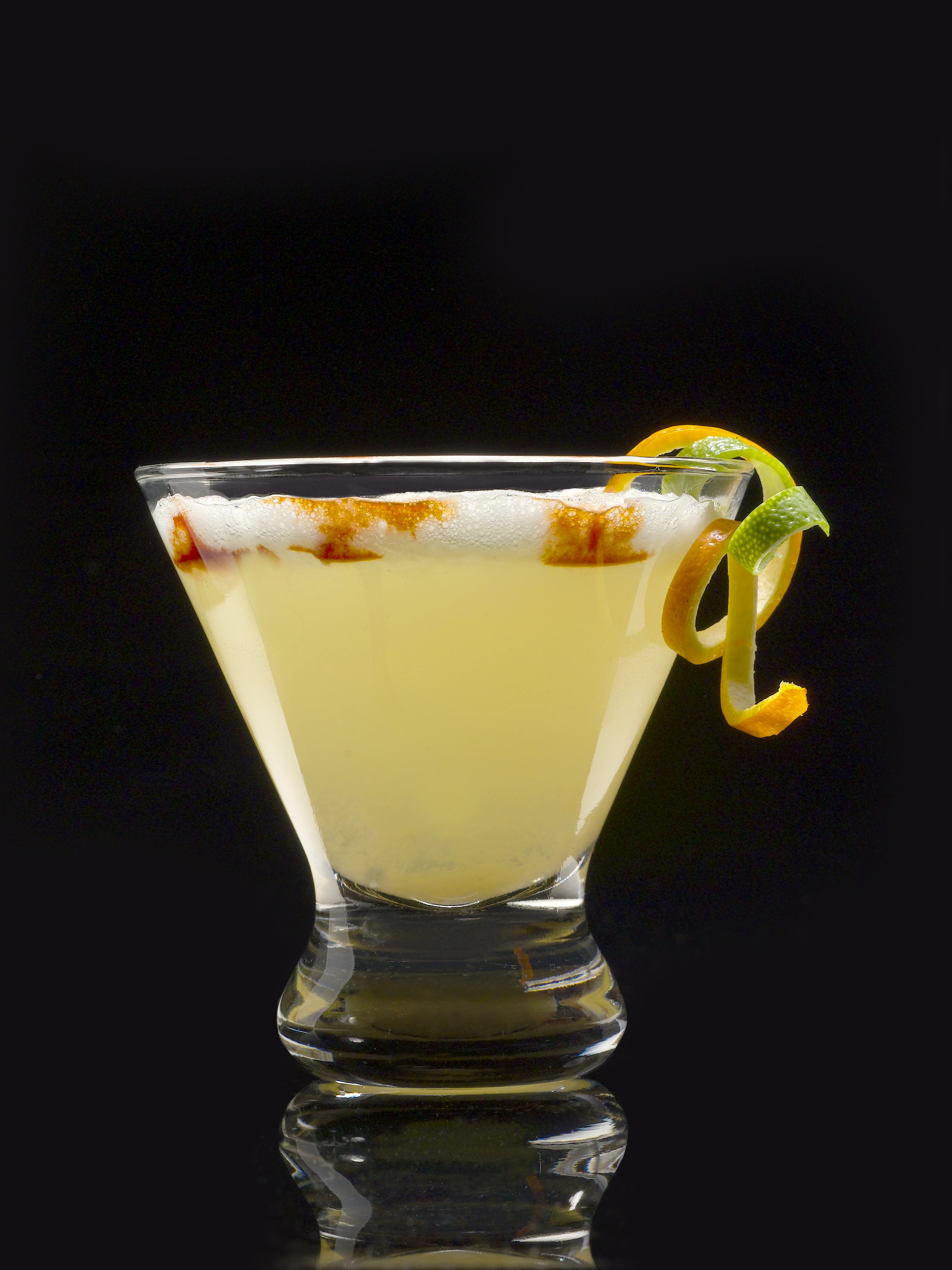
The PR materials for this brandy emphasize the fact that this particular cognac actually comes from a tiny island off the coast of France which is legally included in the Cognac appellation. My grasp of French geography is nowhere near strong enough for me to know if this is a bit of alcoholic loophole, but no one seems to be complaining about the quality of this cognac which, we are told has a “maritime” feeling and a dash of iodine in its flavor. I’ve never drunk iodine, so I wouldn’t know, but this is definitely about as sippable as any brandy or cognac I’ve enjoyed, and there is a bit of similarity to a good, slightly smokey Scotch I’m sure many will enjoy. It’s also very, very good with an equal part of brandy’s best known significant other, Benedictine.

Nevertheless, while many consider it a sacrilege to make cocktails out of really outstanding cognac, breaking that particular taboo is a big part of the name of the game here at DOTW Central. Even so, we’ve managed to find a very nice cocktail that permits the cognac to be the star of the show, adding a number of sweeteners in small amounts to make for an intriguing and very drinkable whole. While not the equal of the mighty Cognac Sazerac, todays drink is worthy of the status of a very good second-tier classic.

The East India House Cocktail

2 oz cognac (or brandy, if you are an impoverished peon who doesn’t get free booze in the mail)
1 tsp. pineapple juice
1 tsp. superfine sugar
1 tsp. orange curaçao
1 tsp. maraschino liqeuer
1-2 dashes aromatic or Peychaud’s bitters
1 cherry or lemon twist (fairly optional garnish)

Combine the ingredients in a cocktail sugar, stir briefly to dissolve the superfine sugar. Add ice, shake vigorously and strain into a well chilled cocktail glass. If you’re looking for something to toast, you might consider the phylloxera louse. While it’s not typical to salute a vine-eating vermin, this wingless insect was kind enough to leave the Ile de Ré alone back in the 1850s even as it was munching up mainland wine crops. I’m not 100% sure this is relevant to the quality of the island’s cognac today; I just like saluting lice.

****
There are several versions of this drink, also sometimes referred to simply as the “East India Cocktail,” so feel free to experiment. Some versions I stumbled upon call for raspberry syrup in place of the pineapple and sugar, which sounds worth a try. Robert Hess of “The Cocktail Spirit,” dispenses with the sugar and just goes with the pineapple juice, though the original recipe called for pineapple syrup (i.e., pineapple juice and sugar). I found his version a bit lacking.

While I’m a fan of all of the ingredients, I’m not certain I’ve found the perfect mix here, so I definitely encourage further experimentation. If anyone out there has better luck with different proportions, I’d love to hear about it. I will say my favorite version featured Angostura bitters and a lemon twist, but every permutation I tried worked fairly well.

For those of you wondering about the name of this week’s drink, the East India House was a real place in London. It was the headquarters of the East India Company, which was crucial in the development of British Imperialism from the Renaissance up through the 19th century, when it was nationalized by the English parliament.

Especially if you’re of Indian or Chinese extraction or just really into human rights, you might consider a drink with a name like that to be a distasteful celebration of oppression. However, another drink I considered making this week was called the “Antebullum Mint Julep” which we are told was a drink commonly enjoyed at pre-Civil War Southern Plantations. What next, I wonder. “The Gestapo Cocktail” or, perhaps less offensively, “The Spanish Inquisition”? as you may be aware, at least that last cocktail has the virtue of being forever unexpected.

Drink of the Week: The Pisco Sour

Image ALT text goes here. You missed it because I didn’t write it, but last week’s Drink of the Week at La Casa de DOTW was Kroger generic Alka-Seltzer Plus. (Delicious!) Fortunately, I’m feeling much better this week and have returned with a special drink for this weekend’s very special day.
And what day do I speak of? It’s a day when an entire nation stops for several hours to cheer the works of great achievers, modern day gladiators, if you will, who are the finest exemplars of a noble and glorious, if physically dangerous, national tradition. I speak, of course, of the bartenders of Peru and Peruvian Pisco Sour Day, which this year falls on February 2. I think there’s something big happening this Sunday, too, but I can’t remember what.

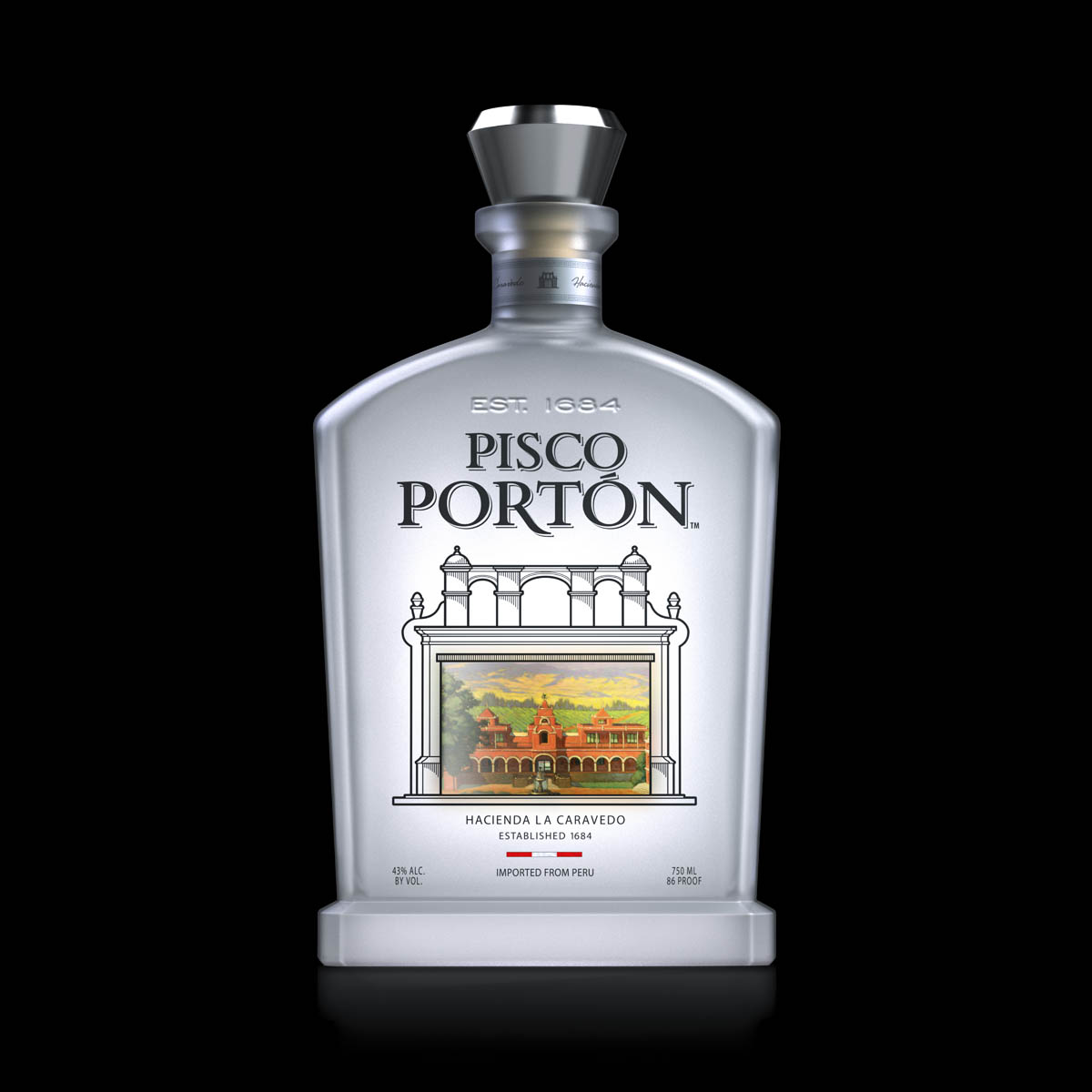
In any case, it’s probably time for me to mention that this week’s post is not unrelated to a complimentary bottle of pisco that mysteriously arrived at my humble hacienda. To be specific, the booze gods blessed me with a bottle of Pisco Portón, an acclaimed high-end brew developed especially for the U.S. market. Now, this was the first time I’ve tried pisco straight up and, I must admit, it’s an acquired taste for this Yanqui. Pisco is basically Peruvian brandy in that it’s a hard liquor derived from grapes, but the flavor is more like a 150 proof tequila or Brazillian cachaça, which is kind of an achievement as Pisco is only 86 proof.

Still, I’m working hard to understand pisco and it does taste better straight once you’ve learned to sort of accept it as a fact of life. Much more important from my point of view, it’s actually pretty awesome — as in awe-inspiringly delicious – when mixed, even slightly. For example, the improvised Old Fashioned I made with it last night was extremely nice.

Still, that variation on the whiskey classic had nothing on a proper Pisco Sour made with Portón. It is, indeed, a thing of beauty and a real crowd pleaser of a cocktail with a very appealing balance of sweet, sour, bitter, and frothy flavors. Trust me on this folks, there’s a very good reason this true cocktail classic has been inexorably retaking it’s long lost place as a staple of U.S. bars. It’s really good and the Pisco Portón definitely gets some of the credit. Maybe I’ll eventually learn to like it straight.

The Pisco Sour

1 1/2 ounces pisco
1/2 ounce fresh lime or lemon juice
1/2 ounce simple syrup or two teaspoons superfine sugar
1/4 ounce egg white
1 dash Angostura aromatic bitters (optional, but visually appealing, garnish)

Combine the pisco, citrus juice, syrup or sugar, and raw or pasteurized egg white in a cocktail shaker. (Measuring a small but exact amount of fresh egg white may be tricky, as the viscosity of the egg white tends to make it sort of clump together. You might try whipping it a bit first.) If you’re using superfine sugar in lieu of simple syrup, stir the liquid to dissolve the sugar. Then, before you add any ice, shake the contents vigorously to properly emulsify the egg white.

Next, lift the top of the shaker. You should see a nice, white froth on the top. Add lots of ice and shake again, very vigorously, a while longer. Strain into a very well chilled old fashioned/rocks glass and add a dash of aromatic bitters for color. Sip and salute the achievers of American football, Peruvian cocktails, and anything else you care to toast. By the time you’ve finished, you’ll just be marveling at what a tasty — an actually quite simple — cocktail you’ve had. You’ll probably want another one.

****
Image ALT text goes here.As befits any truly great cocktail, there are tons and tons and tons of variations on just what proportions of ingredients you should use in a Pisco Sour. I started with the Wikipedia version, but I found I much preferred the recipe Portón offered, despite the very small proportion of egg white, one of my favorite ingredients. The recipe above is my slightly altered version, based on the fact that I found that substituting superfine sugar for simple syrup and/or fresh lemon juice for fresh lime juice created a drink that tasted almost exactly the same — and in this case that’s a wonderful thing.
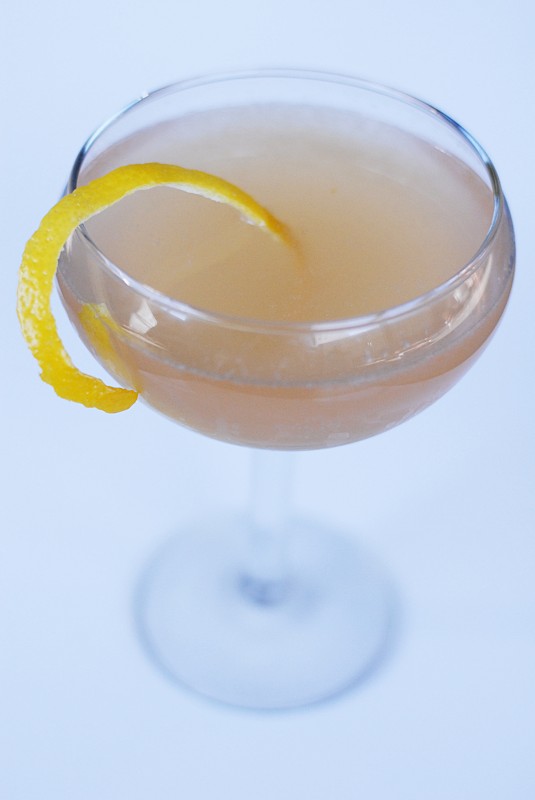
That being said, I have no idea how similar this version is to the original version of the Pisco Sour invented by Victor Vaughn Morris, a Norteamericano bartender living in Peru during the 1920s who first got the bright idea of switching out the whiskey in a whiskey sour for pisco.  It works for me. Now, go serve Pisco Sours at your silly American Superbowl party, and get called names by your friends for making fru-fru cocktails instead of downing Budweiser after Budweiser. This is a cocktail worth fighting for.

Drink of the Week: The French 75

Image ALT text goes here.The French 75 does not refer to the number of pounds Gerard Depardieu could stand to lose. No, it refers to a really  marvelous and relatively simple classic presumably imbibed in massive quantities by Ernest, F. Scott, Pablo, Gertrude and all those other people Woody Allen fantasizes about hanging out with.

The drink itself is named after a rapid firing cannon, the first truly modern piece of field artillery, say the Wikipedians. As for the cocktail, it “hits with remarkable precision” according to The Savoy Cocktail Book. I have to say I agree.

Reportedly created circa 1915 at Harry’s New York Bar in Paris by Harry himself, the French 75 rarely misfires. It’s delicate, friendly, and sophisticated all at the same time. The Lost Generation sure could find their way to a good mixed drink.

The French 75

1 ounce gin
1/2 ounce fresh squeezed lemon juice
2 teaspoons superfine sugar or 1/2 ounce simple syrup
Champagne/sparkling white wine
1 lemon twist (garnish)

Combine the gin, juice, and sugar or syrup in a cocktail shaker with plenty of ice. Shake vigorously and pour into a champagne glass. Top off with roughly 2-3 ounces of the dry sparkling white wine of your choice. Add your lemon twist and toast the early/mid 20th century author, poet, or painter of your choice.

****

First of all, I should add that this week’s drink represents a return engagement for the Yellow Tail Sparkling White Wine featured in last week’s beverage, the Capone. I am not a wasteful cocktail blogger and, as I still had half a bottle of not precisely champagne left and those little stoppers things actually work okay, I decided to try another sparkling white wine based cocktail. And, while I admit that Australia is a very long way from the Champagne region of France, any brut (dry) white fizzy wine should work okay here. The Yellow Tail worked pretty brilliantly, in fact, and I feel no need to rename this version of the drink after something Australian.

The French 75 is one of those drinks where there is a great deal of variation from recipe to recipe and experimentation is welcome. My favorite version of the drink was the one featured above, but I also enjoyed a couple of variations I tried out. One, maligned somewhat elsewhere, used Cointreau in place of sugar for a somewhat boozier, orangey-er concoction; it wasn’t quite as deliciously delicate as the version above, but was still a very nice drink of its own that many may prefer.  I also experimented with dispensing with the sugar and using sweetened Hayman’s Old Tom Gin in place of my Beefeater. The result was drier but still very, very light and enjoyable.

The trick, for  me, is keeping the lemon juice under control. Some recipes call for as much as a whole ounce of lemon juice and more sugar. To that, mates, I say “non.”

« Older posts Newer posts »

© 2026 Bullz-Eye Blog

Theme by Anders NorenUp ↑