
 When I get into online debates with my fellow left-leaners or culture geeks, I’ll often think to myself (or say in words) that their argument lacks a sense of proportion. Indeed, proportion is possibly the single most important part of any position or, very definitely, any mixed drink. That’s why high-end craft bars will often gladly tell you all the ingredients in a drink while steadfastly refusing to provide the proportions, because therein lies the keys to the cocktail kingdom.
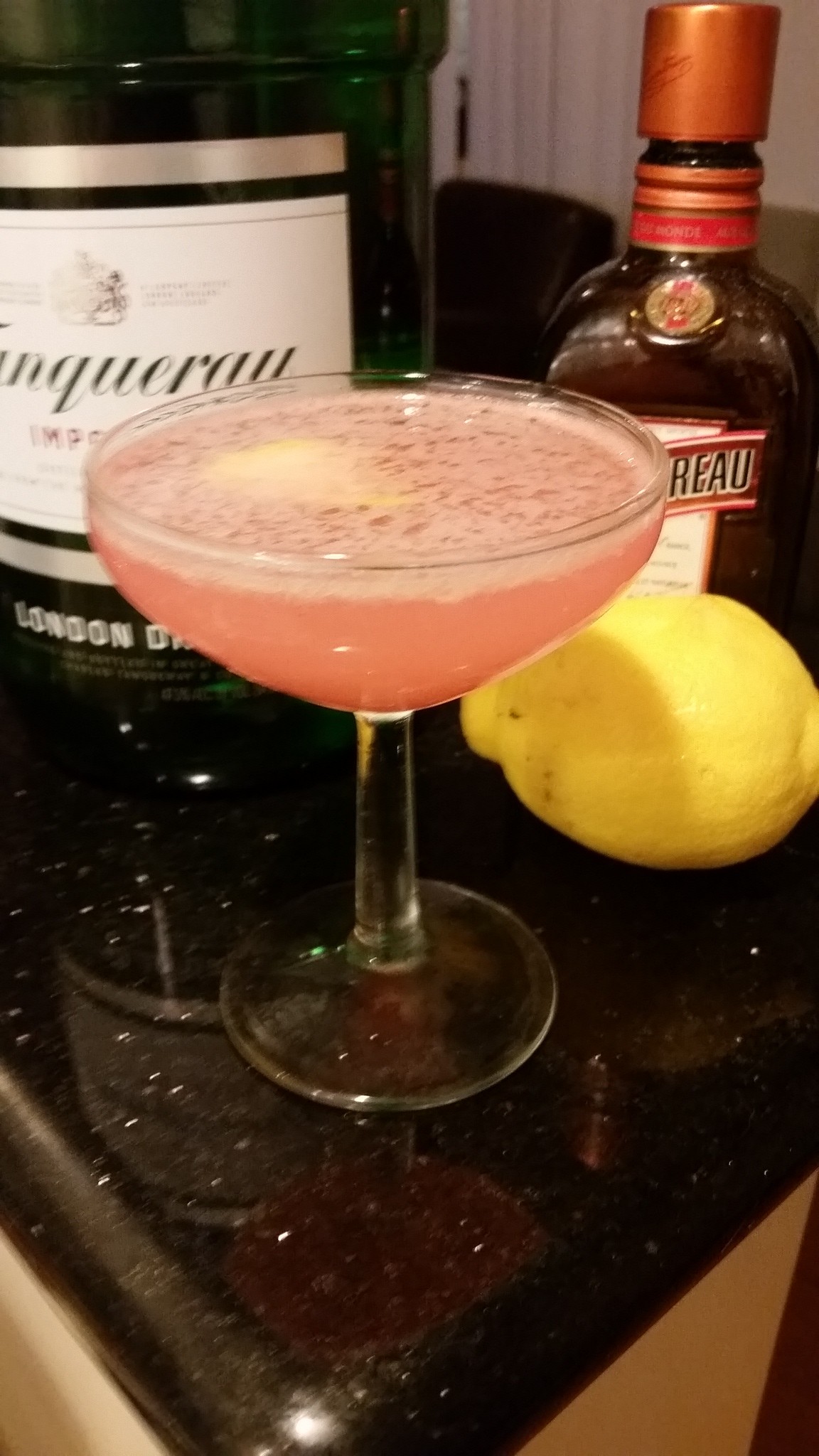
So, that’s how it is I’m presenting two drinks in a row that have the same name and the same ingredients. I would, however, argue that last week’s version of the Jasmine Cocktail, substantially tweaked by Robert Hess, is a much different beverage from this week’s, which was first created in the 1990s by Washington bartender Paul Harrington. It’s definitely much stronger on the lemon flavor and much less so on the contributions of the two liqueurs included in both drinks, but see for yourself.
The Jasmine Cocktail (original version)
1 1/2 ounces gin
3/4 ounce fresh lemon juice
1/4 ounce Cointreau or triple sec
1/4 ounce Campari
1 lemon twist (optional garnish)
Combine the liquid ingredients in a cocktail shaker. Shake very vigoriously and strain into a chilled, smallish cocktail glass. Salute the fruit of the lemon tree, which is impossible to eat on its own, but so darn useful for making so many things taste better.
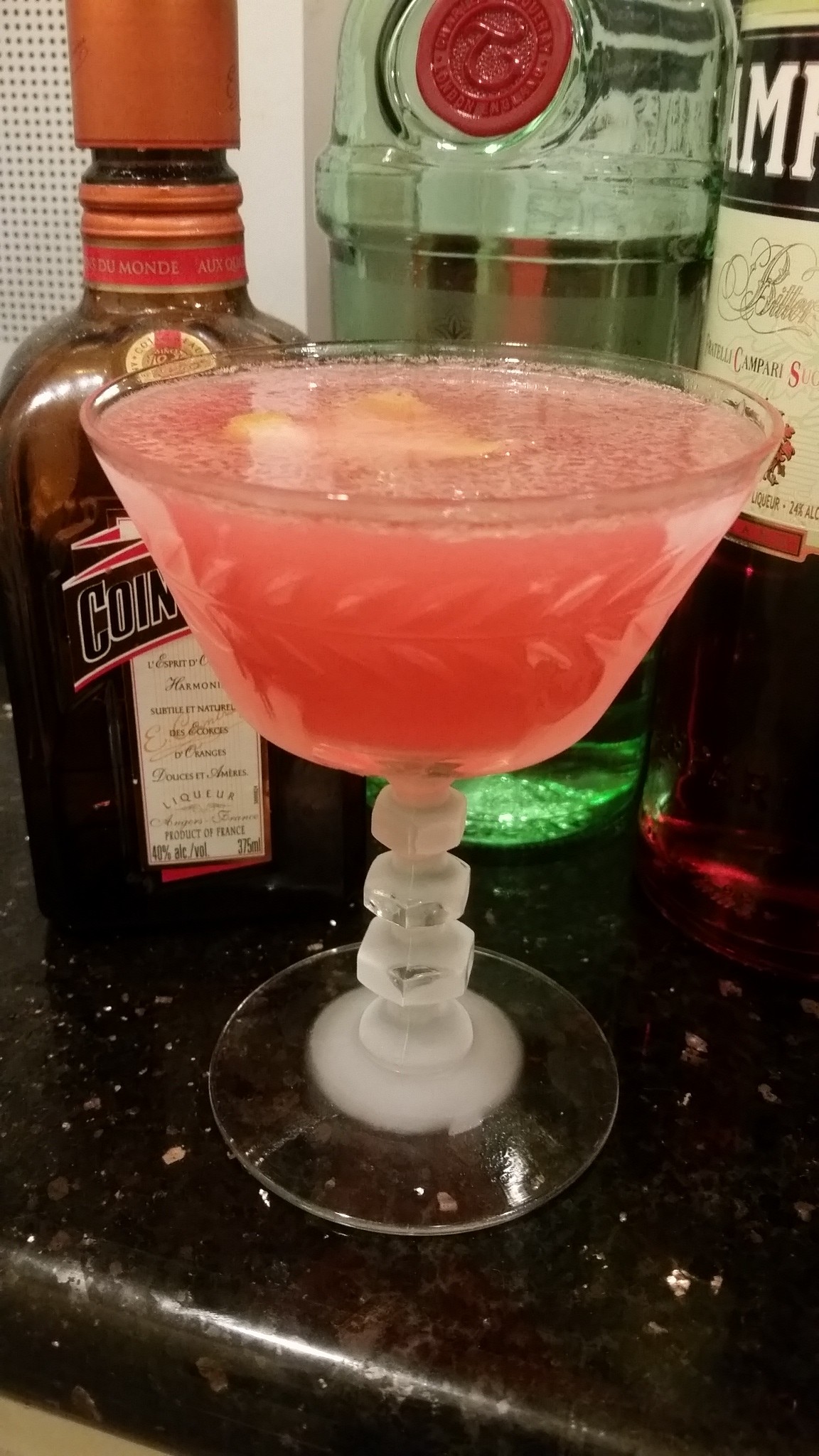
 I found the Jasmine Cocktail, or simply Jasmine, in Robert Hess’s oh so reliable “The Essential Bartender’s Guide.” Today’s recipe, however, is actually the second version of the recipe that Hess presents and I decided to do this version for a reason. You see, while the ingredients in both Hess’s version and the original, reportedly created by bartender and writer Paul Harrington in the 1990s, are the same, the proportions of everything but the base spirit are wildly different.
 Just as there was nothing particularly Hawaiian about
 In the U.S., whiskey cannot be sold as rye unless it is distilled from at least 51 percent rye grain. In Canada, there is no such rule. Therfore, as I understand it, a lot of what we call Canadian whiskey over here is known as rye north of the border, even though corn and other grains may be a great deal more dominant. For this reason, American rye has long had a more distinctively peppery flavor than it’s Canuck cousin. Lately, however, Canadian brands have been getting into the act with ryes that pass stateside muster.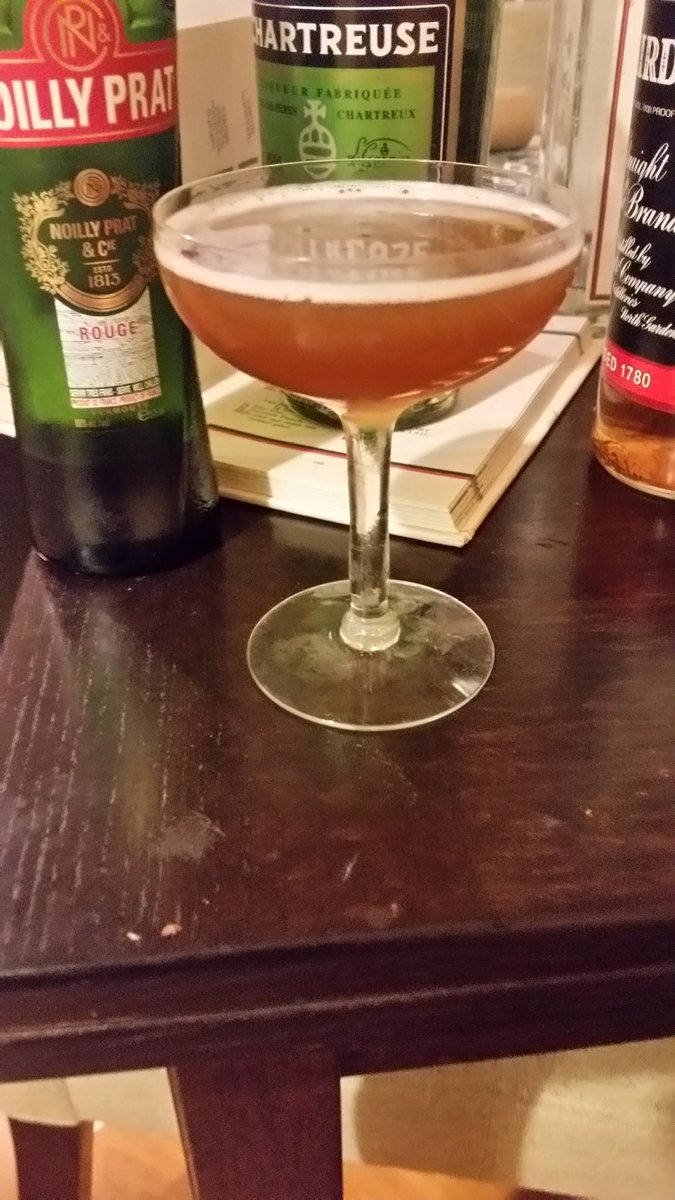
 You may wonder how I go about picking out the drinks here at DOTW. A lot of the time, it has something to do with what I’ve got laying around the palatial North Hollywood premises of Drink of the Week Manor. Occasionally, I look at the calendar, and sometimes, I simply stumble over something at random.


