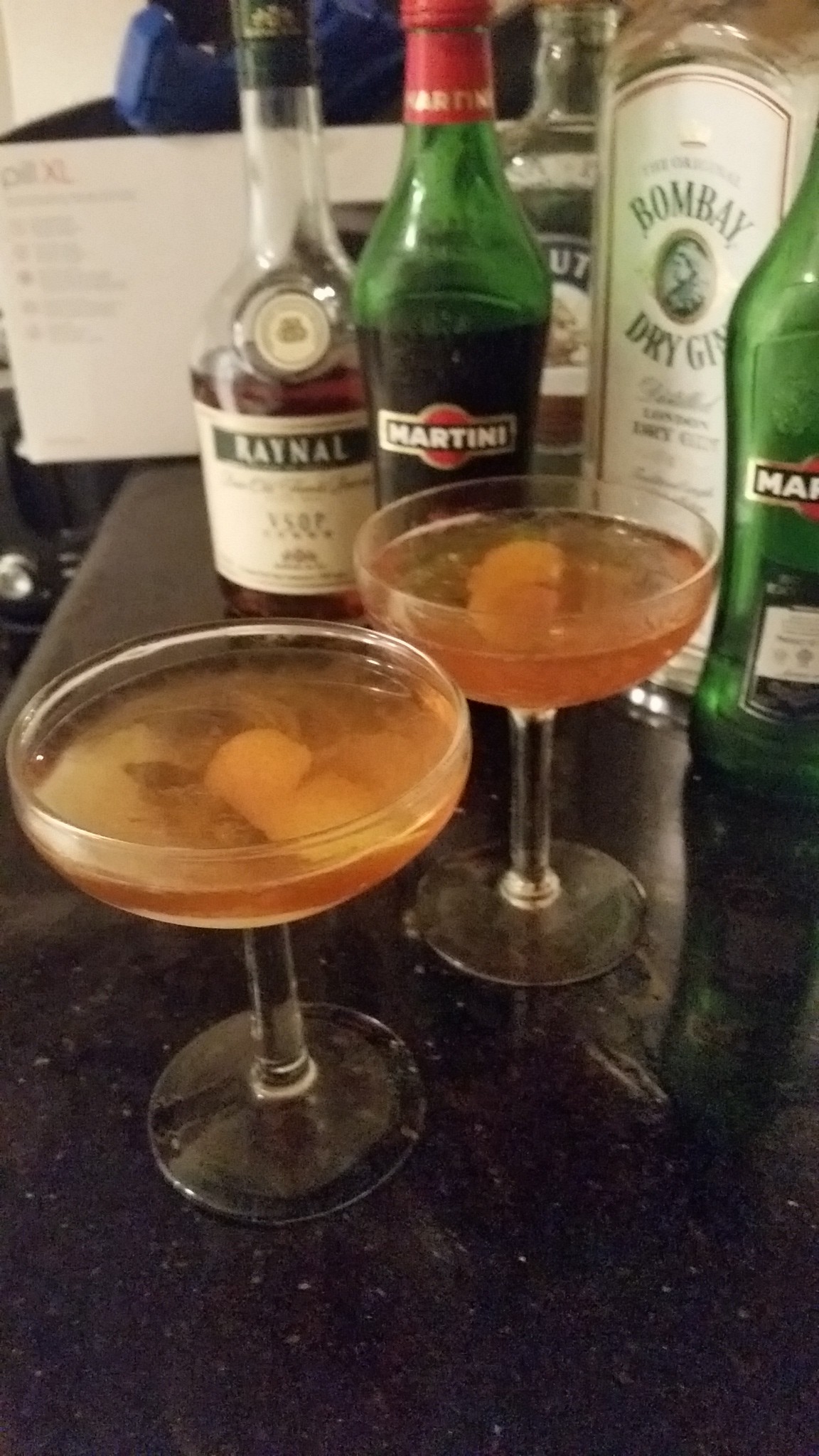
 The Internet tells us that there are over 611,000 full service restaurants located in the United States. We’ve all grown-up with the idea that, pretty much wherever we are, there will always be a meal, and perhaps a bit of relaxation, to be had at a sit-down establishment of some sort. That wasn’t always so.
Cooking for other people has to be one of the world’s oldest professions, but the restaurant somewhat as we know it is a relatively modern invention going back only as far as 18th century France. The identity of the first true restaurant to open here in the New World nation of the United States is probably a mystery, though the old Delmonico’s in New York claims the mantle of the first restaurant allowing customers to order items a la carte, as opposed to getting an entire meal for a fixed price. While countless establishments in New York and nationwide still bear the Delmonico’s name and serve alleged representations of the famed Delmonico steak (whatever that is), there is a lot of confusion about what the name “Delmonico” actually signifies. There is slightly less confusion about exactly what is or was the restaurant’s presumed house cocktail. Still, I can’t tell you who invented the Delmonico, but I can tell you that I’m stealing my recipe from the same place as last week.
This is a fairly serious drink for fairly serious drinkers. Not a lot of sweetness, but — as Robert Hess points out — quite a few botanical flavors courtesy of gin and both sweet and dry vermouth, plus a bit of grounding from brandy. It’s a nice change of pace for martini lovers and others who don’t need their cocktails to envelop them in a haze of familiar flavors. In other words, it’s a drink for grown-ups.
The Delmonico
1 ounce gin
1/2 ounce brandy
1/2 ounce sweet vermouth
1/2 ounce dry vermouth
1 dash orange bitters
1 lemon or orange twist (highly desirable garnish)
Combine all of the liquid ingredients in a cocktail shaker or a mixing glass. Shake or stir according to your preference — I did it both ways — and strain into a chilled cocktail glass. Add the citrus peel and prepare yourself for an adult cocktail experience.
*****
Because I didn’t feel the desire to go out and spend a bunch of cash on delicious high-end vermouths I sensed might not work anyways, I stuck to good old $4.99-for-a-small-bottle Martini for both my sweet and dry vermouths on the Delmonico. My brandies were Martell and Raynal — not very different. I nevertheless did try the Delmonico several times with a few different gins, both stirred and shaken. Shaking made for a more easygoing, but less interesting drink. Bombay Dry worked well — producing a very complex and adult but nevertheless tasty brew, and I suspect that Beefeater, Robert Hess’s very similar choice, would work about the same. Plymouth Gin added a slightly sweeter note and was just fine.
Still, the surprising best result turned out to be the cheapest gin I used, James Bond’s favorite, Gordon’s. It’s a nicely smooth gin that can work very well in a martini since it’s floral element isn’t overly pronounced. Here, it allows the sweeter flavors to coexist more peacefully with the remaining floral notes of the gin and dry vermouth.
Finally, David Wondrich circa 2007 has an interesting alternative take on Delmonico with slightly less gin and Angostura instead of orange bitters. It’s not bad, either.
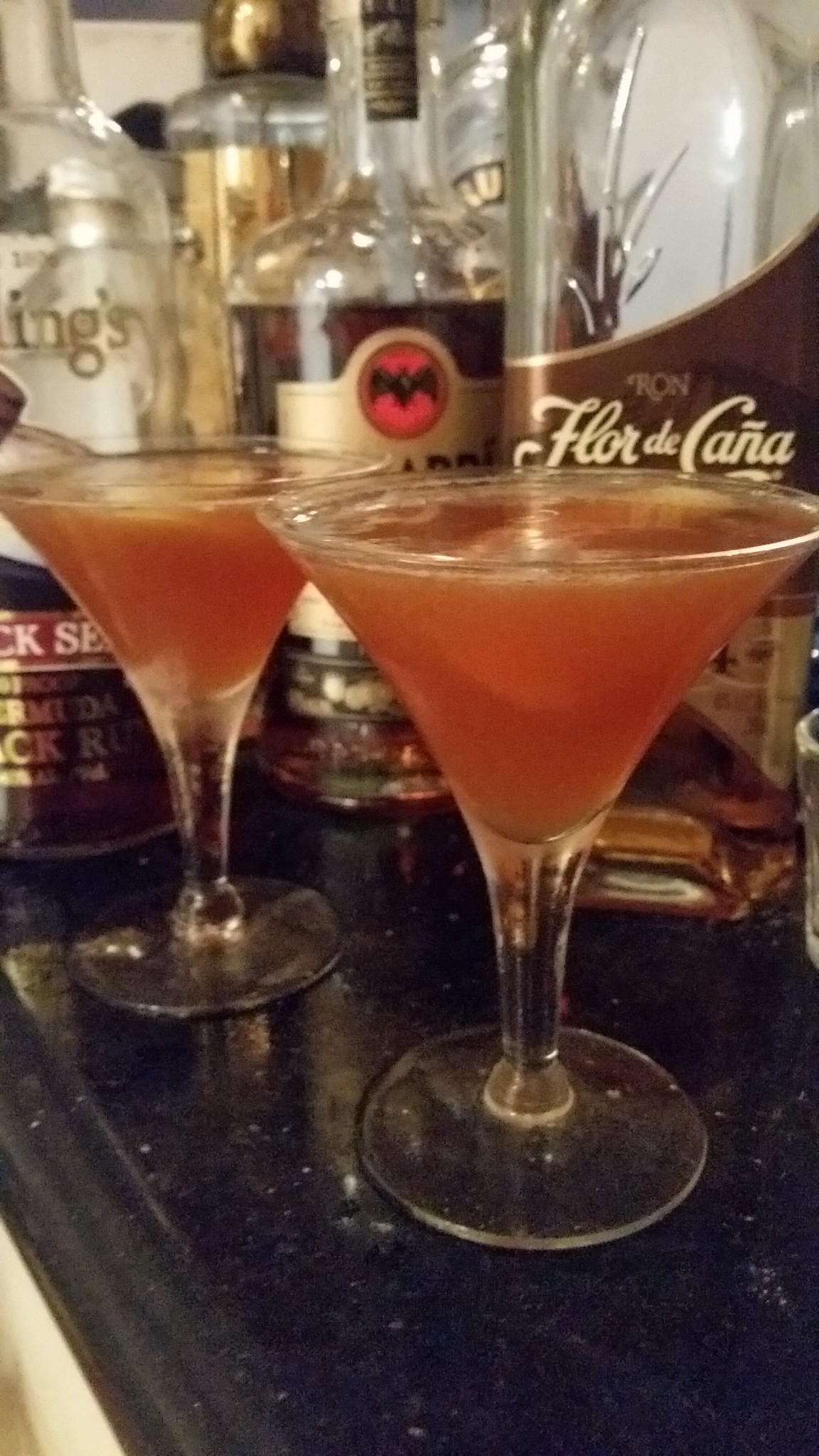
 You’ve never heard of the Captain’s Blood and, until about 24 hours prior to when I began writing this, it didn’t register with me, either. I stumbled over this variation..I’m tempted to say “improvement”…on the classic
 People who know me in real life know that, if there’s a way to worry about something, I’ll find it. However, one thing I never worry about is running out of cocktails to write about for these blog posts. It’s not just that people have been making up new drinks since well before the Industrial Revolution, it’s the fact that making up a new cocktail is absurdly easy. Find a great cocktail, switch out one or two ingredients that work about as well, and voilà, you too can be the creator of a mixological milestone (that no one will probably notice).
 First of all, let’s get one thing straight: no tigers were juiced in the making of this DOTW post. Moreover, I’m pretty sure, the makers of Tiger’s Milk bars don’t actually have the courage to milk actual members of the feline genus panthera to make their product.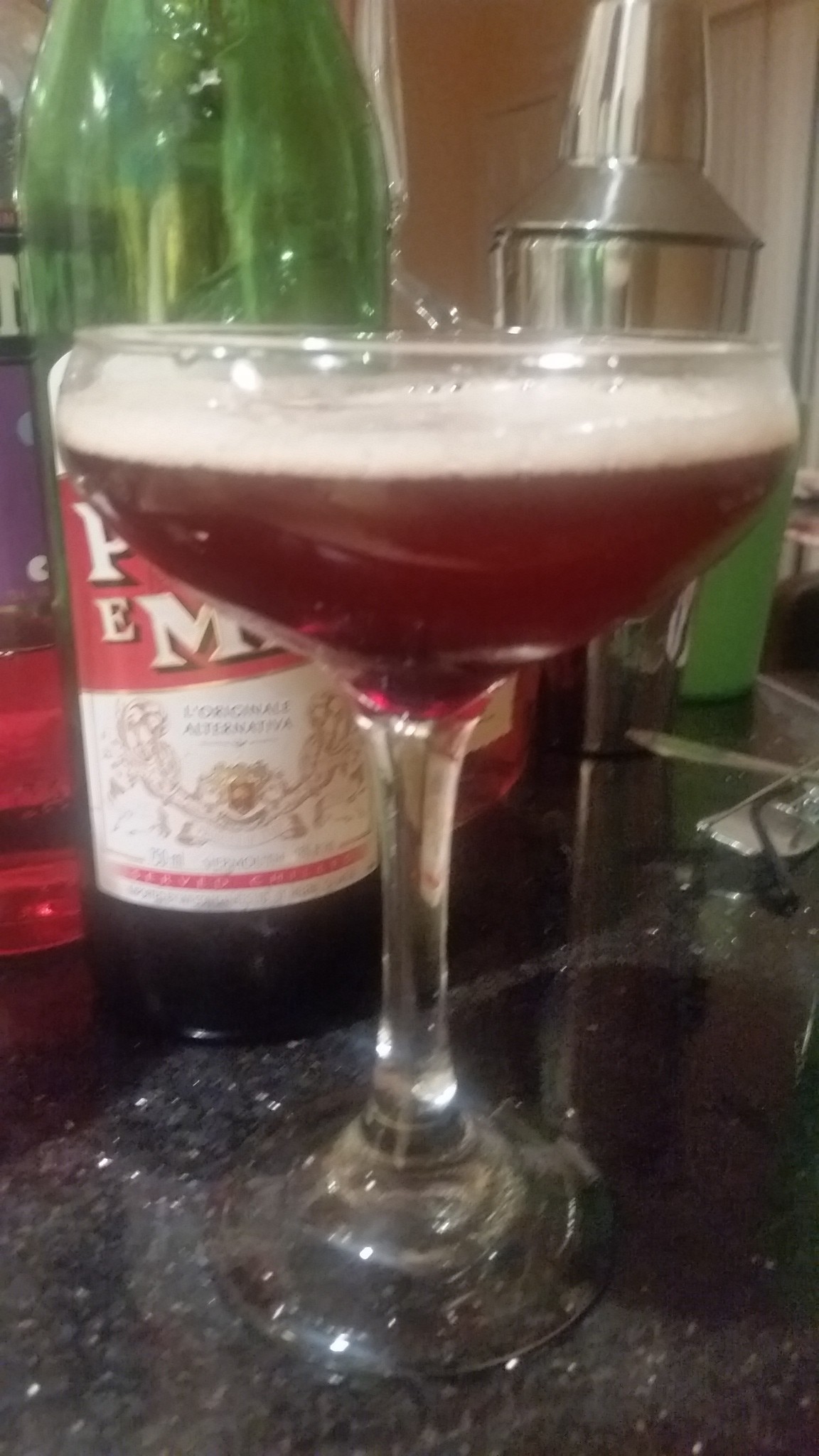
 The Boulevardier, which hails from Paris (where else?), has been featured here before, but it is less well known than its very close Italian relative,


