Blog Zones
Blog Topics More Blog Zones

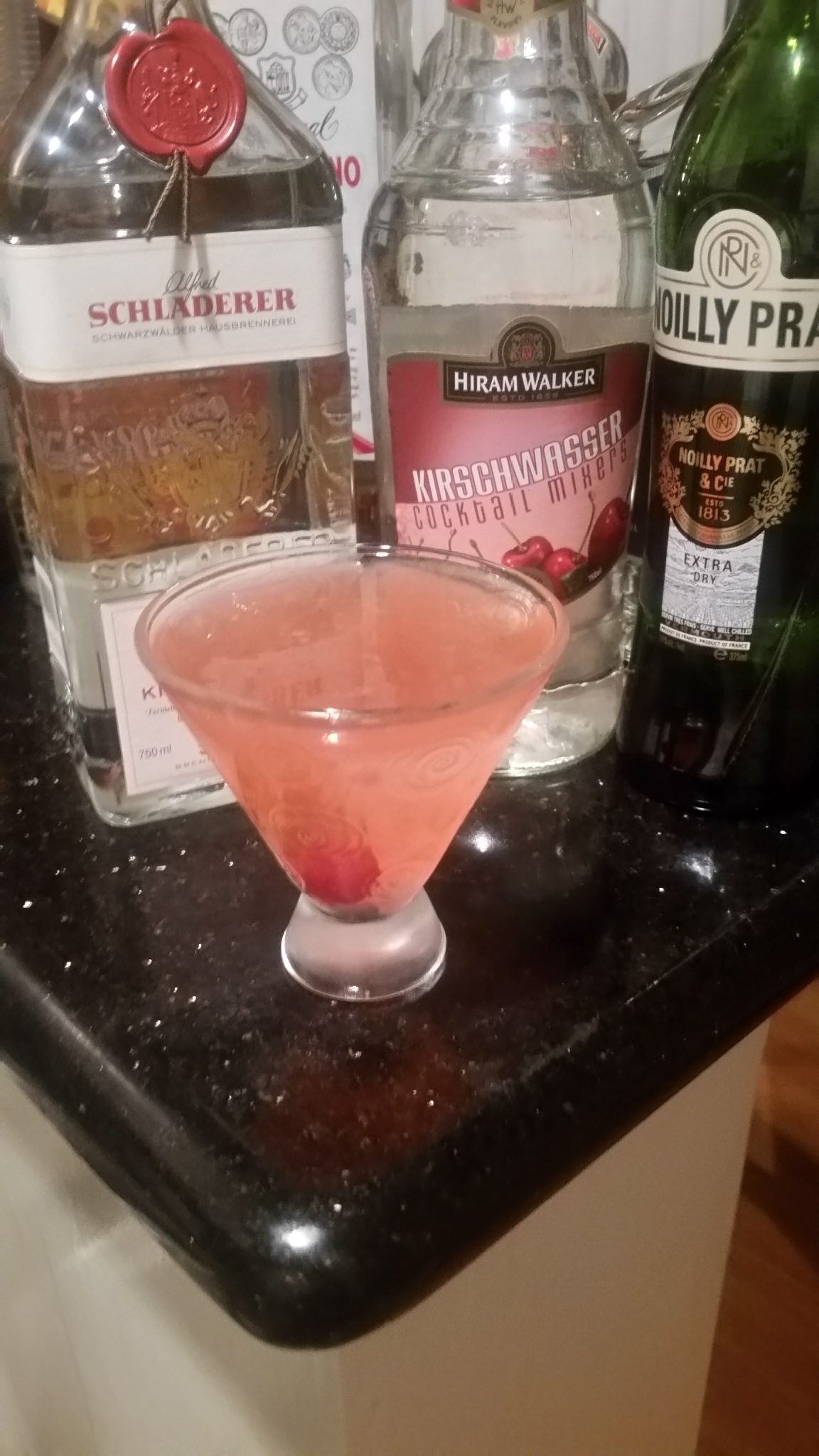
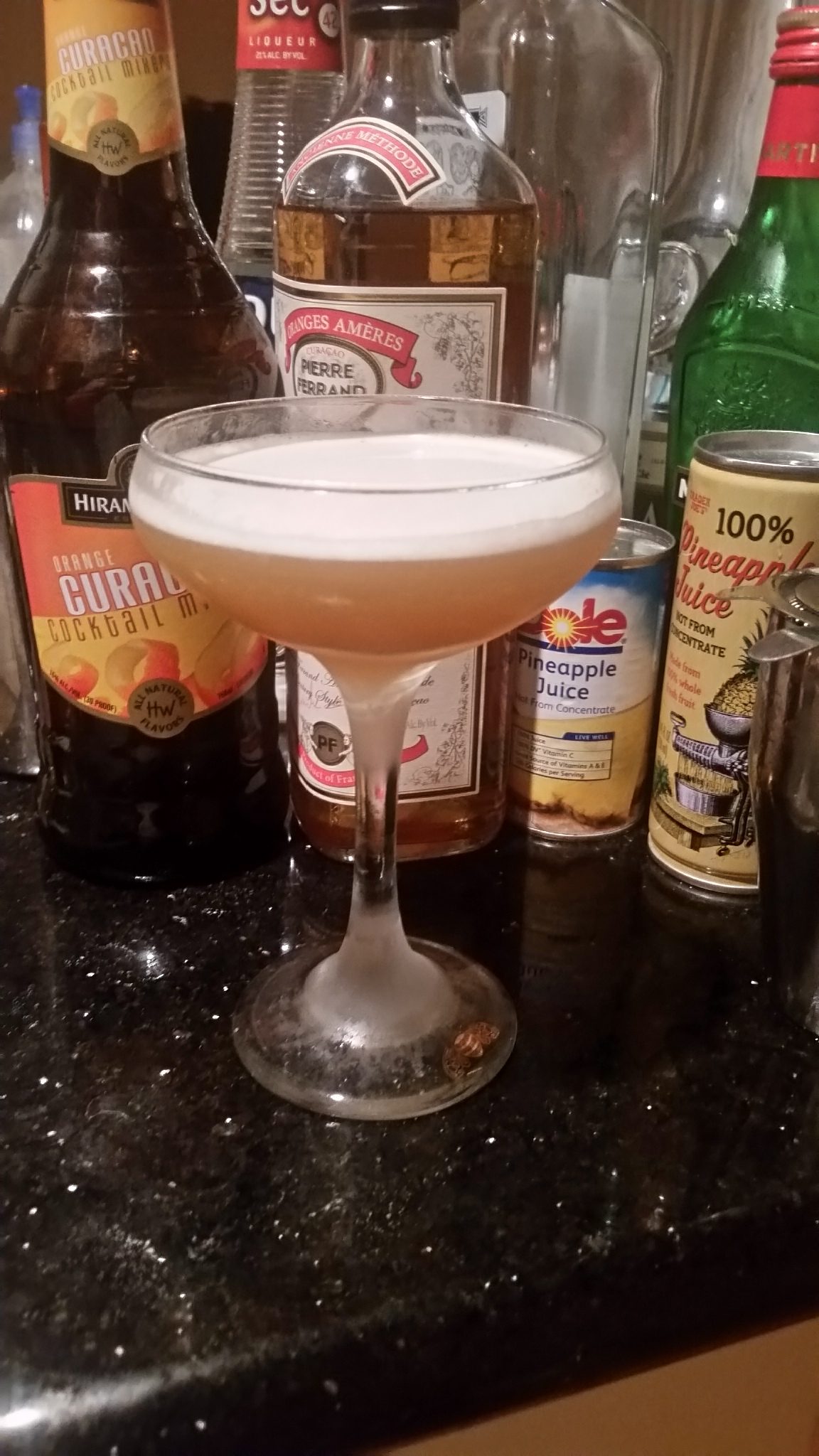
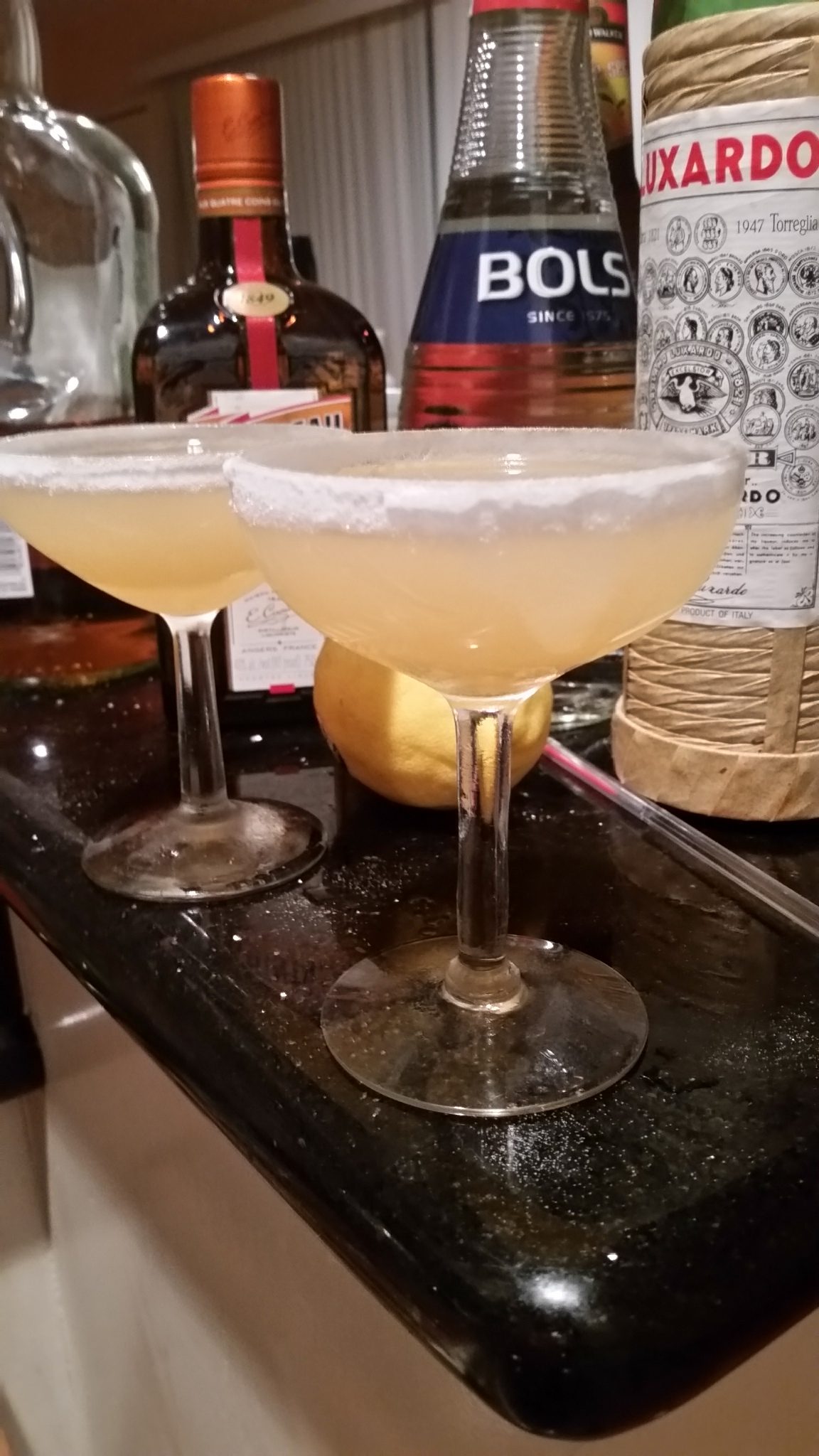
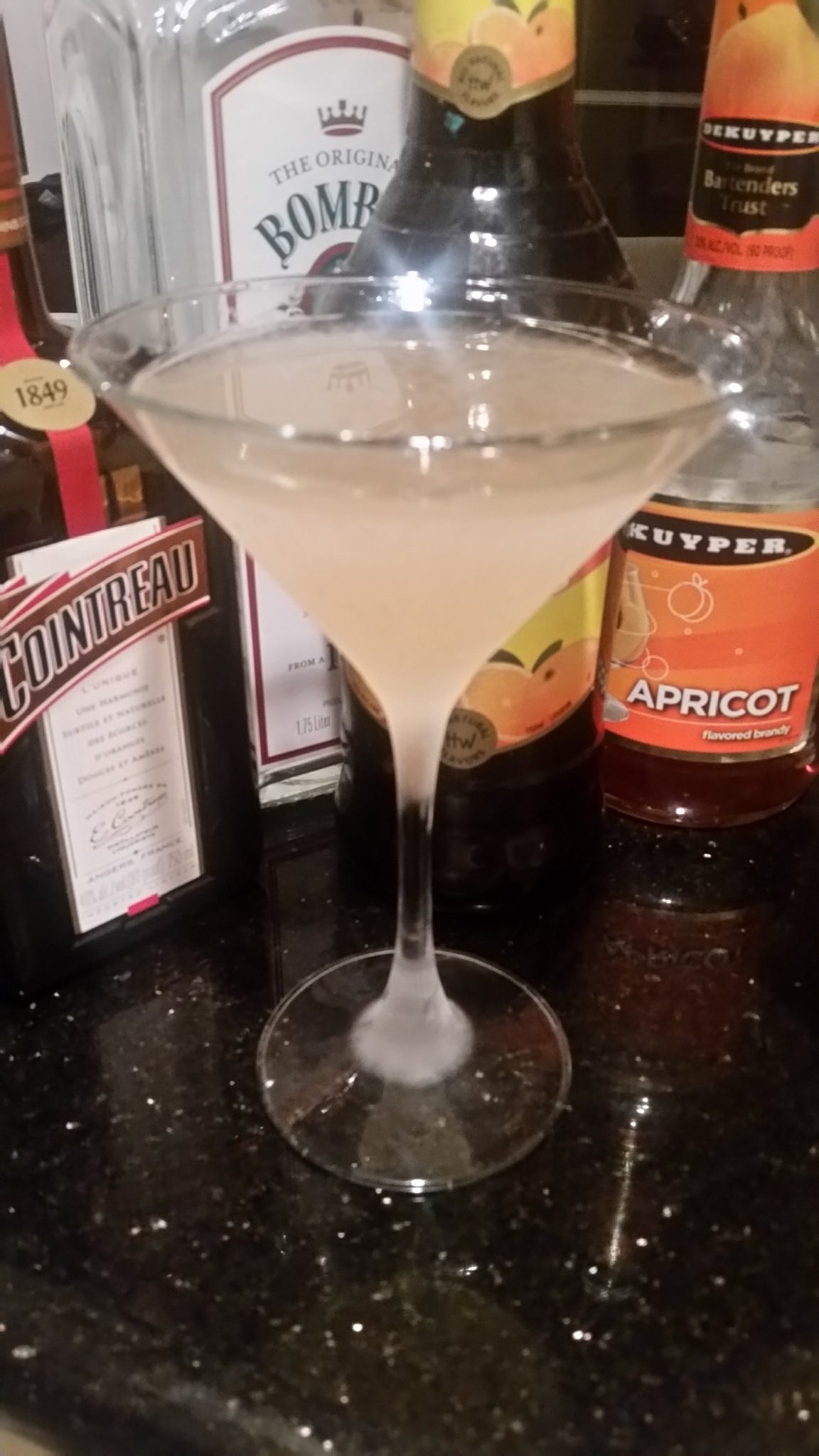
Drink of the Week: The Meyer 100 Proof Bourbon Semi-Sour

Image ALT text goes here.Corrections and retractions time. Though I totally stand behind my creation last year of the Meyer Canadian Semi-Sour, I was perhaps wrong when I described the wondrous Meyer lemon as “partly an orange.” Turns out,  it might actually be partly a Mandarin orange. That would make sense since la wiki tells us that it was once actually a primarily a houseplant in China. The humble plant’s destiny was forever changed, however, after being discovered sometime around the turn of the 20th century by a U.S. Department of Agriculture employee named Frank Nicholas Meyer.

Anyhow, with the return of the Meyer lemon to stores in my vicinity and with my recently rekindled interest in the eggier side of the sour family of cocktails, I decided to see if the juice of the more edible lemon worked as well with 100 proof bourbon as it did with the ever-so gentle, and merely 80 proof, Canadian Club I used last year. I’m happy to say that, if anything, it’s even better — as long as you like your cocktails boozy and sweet as heck.

The Meyer 100 Proof Bourbon Semi-Sour

2 ounces 100 proof (more or less) bourbon
3/4 ounce freshly squeezed Meyer lemon juice
1/2 large egg white
2 teaspoons superfine sugar
1 dash orange bitters (very optional)
1 maraschino/cocktail cherry (optional garnish)

If you’ve read my other recent sour recipes, you can probably guess what the drill will be. Combine the bourbon, juice, sugar and (if you’re using them) bitters in a cocktail shaker without ice. Shake the contents to emulsify the egg white. Then, add ice, shake a bunch more, and strain into a well chilled rocks glass. Garnish with cherry and salute the late citrus pioneer, Mr. Meyer, and mourn his untimely and mysterious passing in 1918.

*****

I used my personal default bourbon, the highly underrated, little known, and very reasonably priced Old Fitzergald’s Bonded in Bond 100 proof (aka “Old Fitzgerald Green Label”). I can’t be sure, but I suspect this recipe would also work with very high proof bourbons or something even as meek as Maker’s Mark, which I guess is going to remain 90 proof indefinitely after that brouhaha last week. (All I can say, is where were you people when Canadian Club and countless other brands went from 86 to 80 proof sometime in the 1980s or 1990s?)

Re: bitters. I originally tried using Angostura in this, but found it an unwelcome distraction. Then I tried it without bitters at all, and found the drink absolutely wonderful. Then, I tried it again with Regan’s Orange Bitters and found the drink tasted tangier and even sweeter and not quite as much to my personal liking. However, one of my test subjects here at DOTW Manor was very pleased with this version, so I’m leaving you the option of throwing the orange bitters in. Try it both ways, I say.

Finally, there is the question of how you determine that you’re using half an egg white. I’m sure there’s a way to do that with measurements — though measuring egg whites can be a hassle, or you can do like I’d probably do and just sort of eyeball it. This time, I took the easiest and least wasteful way out and just doubled up and made two Meyer 100 Proof Bourbon Semi-Sours at the same time. This is a drink worth sharing.


You can follow us on Twitter and Facebook for content updates. Also, sign up for our email list for weekly updates and check us out on Google+ as well.

WATCH THIS!

Drink of the Week: The Vieux Carre

The Vieux Carre.Like most Americans, I’m not exactly a polyglot. Four years of junior high and high school Spanish have been of great assistance in helping me to order  items at taco trucks; three quarters of college French allow me to chuckle knowingly to myself when “merde!” is translated as “damn!” in subtitles. So, I can’t properly pronounce the name of the Vieux Carre, but I can tell you it means “old square.” That square, as it turns out, is off of Bourbon Street in New Orleans, and this is another fine cocktail associated with America’s most intriguing cocktail capital.

Quite obviously, however, this is not in the same category as a Hurricane and it’s not the one of the scary, gigantic green drinks featured on this year’s season premiere of “Bar Rescue.” While, for me, the Vieux Carre doesn’t quite achieve the classic cocktail nirvana of a Sazerac, this is one beverage that actually gets tastier the longer you let it sit. It’s perfect for a long conversation and, by the end of it, even ever-so-justifiably-furious bar rescuer John Taffer might get mellow enough to maybe stop shouting for just a second.

The Vieux Carre

3/4 ounce rye whiskey
3/4 ounce cognac or brandy
3/4 ounce sweet vermouth
1 teaspoon Benedictine
2 dashes Peychaud’s Bitters
2 dashes aromatic  bitters (Angostura or similar)
1 lemon twist (garnish)

Making this drink is about as easy to make as it is to get a buzz going in the French Quarter. Build over some ice cubes in a rock glass, stir, and add the lemon twist. Toast whatever or whomever you like, but do so slowly.

****

I’m very sorry to say that this week’s post completes my trilogy of drinks of cocktails featuring Camus’s Ile de Ré Fine Island Cognac. Sadly, that’s the case because I polished off the bottle last night. No disrespect to my value-priced go-to brandy, Reynal, but there’s a reason the Camus people get to charge the big bucks for this stuff. It’s great in a cocktail and remarkably easy and pleasurable to drink neat. Good thing I still have a few airplane bottles of various Ile de Ré expressions in my alcohol laden larder.

My rye for this double-base spirit cocktail was another new freebie favorite we’ve featured here before, the lovely Templeton Rye, previously featured in the Capone.  I usually lean towards higher proof ryes like my old pal, 100 proof Rittenhouse, but that might have been a bit much in this context; Templeton’s more mellow flavor makes it a pretty perfect match for a Vieux Carre.

I experimented quite a bit with the other ingredients. Many recipes call for more booze and somewhat less of the Benedictine — a very sweet herbal liqueur which famously mixes well with brandy. I also tried three different sweet vermouths, all favorites. The lightest was Noilly Pratt, which was very nice, but an even better result was achieved with the greatness that is Carpano Antica. (Yet another freebie previously featured here).

I also tried it with another great product I’ll be featuring later, Punt e Mes. In that instance, it sort of dominated the cocktail but, since I love, love, love me some Punt e Mes, I didn’t really mind.

One final note, apparently to really do the Vieux Carre right, some people suggest you should make it with just one very large ice cube. Sounds cool, but I guess I need to find an ice cube tray that make 3″x 3″ ice cubes.

Anyhow, a moment of non-silence for my forever spent bottle of fine cognac. Mr. Gillespie, it’s time for a little Cognac blues.


Drink of the Week: The Egg Sour

Image ALT text goes here.A coworker of mine pointed out to me recently that  a good chunk of my post on eggnog from Christmas of 2011 consisted of warnings, provisos, and disclaimers about the use of raw egg. Well, I included no such warning on my post on the amazing Pisco Sour a couple of weeks back, although that used only a pretty small amount of egg white. Today, I’m throwing all caution to the proverbial wind with a drink featuring an entire egg — yolk and all. The fact that I had about 9 bird ova in the fridge threatening to go to waste earlier this week is entirely coincidental.

The Egg Sour appears to have originated in print via Jerry Thomas’s classic bartending guide from 1887 — back in the days when refrigeration was rare and penicillin was nonexistent but people knew a tasty and seriously refreshing libation when they tasted one. This drink would also fall easily into the category of a breakfast drink. While I don’t usually go in for that sort of thing, this is certainly a first-rate, and more potent, mimosa alternative.

The Egg Sour

1 ounce cognac or brandy
1 ounce orange curaçao
1/2 ounce fresh squeezed lemon juice
1 teaspoon superfine sugar
1 large egg

Combine your cognac, curaçao, lemon juice, whole egg, and sugar, in a cocktail shaker. It’s not entirely necessary but, if you like, you can beat the egg into the rest of the ingredients to aid in the blending process. (It might be more important to observe this step if you’re attempting two Egg Sours at a time.) Next, shake all of your ingredients vigorously without ice in order to ensure a good mix. When you take off the top of your shaker, you should see a nice orangey-white froth. Add ice, shake again very vigorously, and strain into a well-chilled rocks glass. Toast the chicken, or the egg, whichever you think comes first.

***

Very observant readers may notice that a couple of ingredients are similar to last week’s drink, the East India House Cocktail, and that’s no coincidence. I took advantage of my newish bottle of curaçao and the lovely, and very free, fifth of Camus Ile de Ré Fine Island Cognac for this drink and it’s a lovely combination. I’m sure other brands of cognac or brandy, such as my value-priced fall back brandy, Reynal, will work extremely nicely here as well, though they may lack a certain touch of class.

As I said above, this is one seriously refreshing but, thanks to the lemon, not quite super-sweet drink. I tried doubling the sugar up to two teaspoons for people with stronger sweettooths, but the result actually tasted less sweet and pleasing to the tongue and had similar results with an entire teaspoon of simple syrup. Interesting.

This is the point in the blog when I usually comment on some cultural or personal aspect of a given beverage, but today’s drink is just tasty in a way that’s totally out of context with much of anything else. Maybe I should have spent more time defending my use of a raw egg.


Drink of the Week: The East India House Cocktail

The East India House Cocktail. It’s not exactly a secret around here that I greatly lean towards cocktails as opposed to drinking even truly fine spirits straight. Still, it’s fairly obvious even to me why the best cognacs and other high end brandies are among the most popular of all beverages to enjoy neat. Certainly that applies to the Ile de Ré Fine Island Cognac from the Camus line of fine cognacs with which I was recently blessed by the Powers that Booze.

The PR materials for this brandy emphasize the fact that this particular cognac actually comes from a tiny island off the coast of France which is legally included in the Cognac appellation. My grasp of French geography is nowhere near strong enough for me to know if this is a bit of alcoholic loophole, but no one seems to be complaining about the quality of this cognac which, we are told has a “maritime” feeling and a dash of iodine in its flavor. I’ve never drunk iodine, so I wouldn’t know, but this is definitely about as sippable as any brandy or cognac I’ve enjoyed, and there is a bit of similarity to a good, slightly smokey Scotch I’m sure many will enjoy. It’s also very, very good with an equal part of brandy’s best known significant other, Benedictine.

Nevertheless, while many consider it a sacrilege to make cocktails out of really outstanding cognac, breaking that particular taboo is a big part of the name of the game here at DOTW Central. Even so, we’ve managed to find a very nice cocktail that permits the cognac to be the star of the show, adding a number of sweeteners in small amounts to make for an intriguing and very drinkable whole. While not the equal of the mighty Cognac Sazerac, todays drink is worthy of the status of a very good second-tier classic.

The East India House Cocktail

2 oz cognac (or brandy, if you are an impoverished peon who doesn’t get free booze in the mail)
1 tsp. pineapple juice
1 tsp. superfine sugar
1 tsp. orange curaçao
1 tsp. maraschino liqeuer
1-2 dashes aromatic or Peychaud’s bitters
1 cherry or lemon twist (fairly optional garnish)

Combine the ingredients in a cocktail sugar, stir briefly to dissolve the superfine sugar. Add ice, shake vigorously and strain into a well chilled cocktail glass. If you’re looking for something to toast, you might consider the phylloxera louse. While it’s not typical to salute a vine-eating vermin, this wingless insect was kind enough to leave the Ile de Ré alone back in the 1850s even as it was munching up mainland wine crops. I’m not 100% sure this is relevant to the quality of the island’s cognac today; I just like saluting lice.

****
There are several versions of this drink, also sometimes referred to simply as the “East India Cocktail,” so feel free to experiment. Some versions I stumbled upon call for raspberry syrup in place of the pineapple and sugar, which sounds worth a try. Robert Hess of “The Cocktail Spirit,” dispenses with the sugar and just goes with the pineapple juice, though the original recipe called for pineapple syrup (i.e., pineapple juice and sugar). I found his version a bit lacking.

While I’m a fan of all of the ingredients, I’m not certain I’ve found the perfect mix here, so I definitely encourage further experimentation. If anyone out there has better luck with different proportions, I’d love to hear about it. I will say my favorite version featured Angostura bitters and a lemon twist, but every permutation I tried worked fairly well.

For those of you wondering about the name of this week’s drink, the East India House was a real place in London. It was the headquarters of the East India Company, which was crucial in the development of British Imperialism from the Renaissance up through the 19th century, when it was nationalized by the English parliament.

Especially if you’re of Indian or Chinese extraction or just really into human rights, you might consider a drink with a name like that to be a distasteful celebration of oppression. However, another drink I considered making this week was called the “Antebullum Mint Julep” which we are told was a drink commonly enjoyed at pre-Civil War Southern Plantations. What next, I wonder. “The Gestapo Cocktail” or, perhaps less offensively, “The Spanish Inquisition”? as you may be aware, at least that last cocktail has the virtue of being forever unexpected.


Drink of the Week: The Pisco Sour

Image ALT text goes here. You missed it because I didn’t write it, but last week’s Drink of the Week at La Casa de DOTW was Kroger generic Alka-Seltzer Plus. (Delicious!) Fortunately, I’m feeling much better this week and have returned with a special drink for this weekend’s very special day.

And what day do I speak of? It’s a day when an entire nation stops for several hours to cheer the works of great achievers, modern day gladiators, if you will, who are the finest exemplars of a noble and glorious, if physically dangerous, national tradition. I speak, of course, of the bartenders of Peru and Peruvian Pisco Sour Day, which this year falls on February 2. I think there’s something big happening this Sunday, too, but I can’t remember what.

In any case, it’s probably time for me to mention that this week’s post is not unrelated to a complimentary bottle of pisco that mysteriously arrived at my humble hacienda. To be specific, the booze gods blessed me with a bottle of Pisco Portón, an acclaimed high-end brew developed especially for the U.S. market. Now, this was the first time I’ve tried pisco straight up and, I must admit, it’s an acquired taste for this Yanqui. Pisco is basically Peruvian brandy in that it’s a hard liquor derived from grapes, but the flavor is more like a 150 proof tequila or Brazillian cachaça, which is kind of an achievement as Pisco is only 86 proof.

Still, I’m working hard to understand pisco and it does taste better straight once you’ve learned to sort of accept it as a fact of life. Much more important from my point of view, it’s actually pretty awesome — as in awe-inspiringly delicious – when mixed, even slightly. For example, the improvised Old Fashioned I made with it last night was extremely nice.

Still, that variation on the whiskey classic had nothing on a proper Pisco Sour made with Portón. It is, indeed, a thing of beauty and a real crowd pleaser of a cocktail with a very appealing balance of sweet, sour, bitter, and frothy flavors. Trust me on this folks, there’s a very good reason this true cocktail classic has been inexorably retaking it’s long lost place as a staple of U.S. bars. It’s really good and the Pisco Portón definitely gets some of the credit. Maybe I’ll eventually learn to like it straight.

The Pisco Sour

1 1/2 ounces pisco
1/2 ounce fresh lime or lemon juice
1/2 ounce simple syrup or two teaspoons superfine sugar
1/4 ounce egg white
1 dash Angostura aromatic bitters (optional, but visually appealing, garnish)

Combine the pisco, citrus juice, syrup or sugar, and raw or pasteurized egg white in a cocktail shaker. (Measuring a small but exact amount of fresh egg white may be tricky, as the viscosity of the egg white tends to make it sort of clump together. You might try whipping it a bit first.) If you’re using superfine sugar in lieu of simple syrup, stir the liquid to dissolve the sugar. Then, before you add any ice, shake the contents vigorously to properly emulsify the egg white.

Next, lift the top of the shaker. You should see a nice, white froth on the top. Add lots of ice and shake again, very vigorously, a while longer. Strain into a very well chilled old fashioned/rocks glass and add a dash of aromatic bitters for color. Sip and salute the achievers of American football, Peruvian cocktails, and anything else you care to toast. By the time you’ve finished, you’ll just be marveling at what a tasty — an actually quite simple — cocktail you’ve had. You’ll probably want another one.

****
Image ALT text goes here.As befits any truly great cocktail, there are tons and tons and tons of variations on just what proportions of ingredients you should use in a Pisco Sour. I started with the Wikipedia version, but I found I much preferred the recipe Portón offered, despite the very small proportion of egg white, one of my favorite ingredients. The recipe above is my slightly altered version, based on the fact that I found that substituting superfine sugar for simple syrup and/or fresh lemon juice for fresh lime juice created a drink that tasted almost exactly the same — and in this case that’s a wonderful thing.

That being said, I have no idea how similar this version is to the original version of the Pisco Sour invented by Victor Vaughn Morris, a Norteamericano bartender living in Peru during the 1920s who first got the bright idea of switching out the whiskey in a whiskey sour for pisco.  It works for me. Now, go serve Pisco Sours at your silly American Superbowl party, and get called names by your friends for making fru-fru cocktails instead of downing Budweiser after Budweiser. This is a cocktail worth fighting for.


Drink of the Week: The French 75

Image ALT text goes here.The French 75 does not refer to the number of pounds Gerard Depardieu could stand to lose. No, it refers to a really  marvelous and relatively simple classic presumably imbibed in massive quantities by Ernest, F. Scott, Pablo, Gertrude and all those other people Woody Allen fantasizes about hanging out with.

The drink itself is named after a rapid firing cannon, the first truly modern piece of field artillery, say the Wikipedians. As for the cocktail, it “hits with remarkable precision” according to The Savoy Cocktail Book. I have to say I agree.

Reportedly created circa 1915 at Harry’s New York Bar in Paris by Harry himself, the French 75 rarely misfires. It’s delicate, friendly, and sophisticated all at the same time. The Lost Generation sure could find their way to a good mixed drink.

The French 75

1 ounce gin
1/2 ounce fresh squeezed lemon juice
2 teaspoons superfine sugar or 1/2 ounce simple syrup
Champagne/sparkling white wine
1 lemon twist (garnish)

Combine the gin, juice, and sugar or syrup in a cocktail shaker with plenty of ice. Shake vigorously and pour into a champagne glass. Top off with roughly 2-3 ounces of the dry sparkling white wine of your choice. Add your lemon twist and toast the early/mid 20th century author, poet, or painter of your choice.

****

First of all, I should add that this week’s drink represents a return engagement for the Yellow Tail Sparkling White Wine featured in last week’s beverage, the Capone. I am not a wasteful cocktail blogger and, as I still had half a bottle of not precisely champagne left and those little stoppers things actually work okay, I decided to try another sparkling white wine based cocktail. And, while I admit that Australia is a very long way from the Champagne region of France, any brut (dry) white fizzy wine should work okay here. The Yellow Tail worked pretty brilliantly, in fact, and I feel no need to rename this version of the drink after something Australian.

The French 75 is one of those drinks where there is a great deal of variation from recipe to recipe and experimentation is welcome. My favorite version of the drink was the one featured above, but I also enjoyed a couple of variations I tried out. One, maligned somewhat elsewhere, used Cointreau in place of sugar for a somewhat boozier, orangey-er concoction; it wasn’t quite as deliciously delicate as the version above, but was still a very nice drink of its own that many may prefer.  I also experimented with dispensing with the sugar and using sweetened Hayman’s Old Tom Gin in place of my Beefeater. The result was drier but still very, very light and enjoyable.

The trick, for  me, is keeping the lemon juice under control. Some recipes call for as much as a whole ounce of lemon juice and more sugar. To that, mates, I say “non.”


Drink of the Week: The Capone

Image ALT text goes here.I’m not sure if it’s a good omen that the first DOTW of 2013 is celebrating Al Capone. Especially considering what we’re all about here, we might be prone to forgive the bootlegging and the gambling the man was involved with, but his probable involvement in mass murder is something we have to come down a bit harder on here at DOTW Central. On the other hand, it appears he had good taste in rye whiskey.

This week’s drink was suggested to me by a mysterious — though, I’m sure, entirely law-abiding — benefactor who was kind enough to send me a bottle of what we are told was the real original Scarface’s favorite whiskey and “the good stuff” well-heeled folks might have enjoyed at a real Chicago speakeasy during prohibition days. Made in nearby Iowa, Templeton Rye alleges itself to be a recreation of what my long-deceased reprobate Great Uncle Ben might have personally swilled at certain Chi-town establishments.

I have no idea whether or not that’s true, but I do know that this is some very good rye whiskey. A bit less peppery and less reminiscent of the stuff I eat with yellow mustard and pastrami than other ryes, it nevertheless sports a delightful potpourri of flavors with a bit more bourbon-esque sweetness than is usual. The fact that it’s 80 proof probably helps allow for a bit more gentleness than in your bonded 100 proof ryes.

As for the cocktail the Templeton people have created in the name of Al Capone, it’s much nicer than the man most people assume was behind the St. Valentine’s Day Massacre must have been.

The Capone

2 ounces Templeton Rye Whiskey
1 ounce champagne (i.e., sparkling white wine)
3/4 ounce Grand Marnier
1 dash bitters
Lemon twist (crucial garnish)

This is a pretty easy one. Combine your liquids in a cocktail shaker or mixing glass with plenty of ice. Stir vigorously and strain into a chilled cocktail glass. Rim the glass with a very thin slice of lemon peel (none of the white stuff) and “twist” it over the drink to express the lemon oils into the drink. (This is actually standard practice with a twist of lemon, but I’m going into detail because it’s more important than usual.) Toast whomever you like when you sip this, but do me a favor and consider making it something or someone other than Mr. Capone. I’m going out on a limb here and expressing my vehement opposition to organized crime.

****

Very, very observant readers might note here that I’m going against my usual practice and actually suggesting you use only Templeton Rye in making this particular drink. Far be it from me to curtail experimentation, but I have to say that I actually tried this drink first with a different brand of rye, a fun-size bottle of Korbel I happened upon, and Cointreau in lieu of Grand Marnier. It was nasty.

Here’s where I have to thank my benefactors again who went well above and beyond the call of duty and, in response to some of my habitual whining, actually sent me some Grand Marnier (which is very tasty but not cheap, hence my whining) as well as some very quaffable Yellow Tail Sparkling White Wine. Sure, Australia is a long way from the Champagne region of France, but it did just fine.

While the Capone turned out very nicely using the more or less originally specified ingredients, there is some wiggle room here as far as your choice of bitters goes. Your standard classic Angostura works just fine here, but there was a slight aftertaste of the wrong kind of bitterness I wasn’t overly fond of. Using the kinder, gentler Peychaud’s bitters yielded a nice enough result, however. I also had decent luck with Regan’s Orange Bitters, which I think worked nicely with the Grand Marnier.

Still, for all of that, I’m so taken with Templeton Rye, it’s reputed evil origins notwithstanding, that I’m expecting even better results when I try it in something where it can really stand out on it’s own. I’ll be having that Templeton Old Fashioned I think. Right…about…now.


Drink of the Week: The Hanky Panky

Image ALT text goes here.If Christmas is a movie directed by Frank Capra as in “It’s a Wonderful Life,” then New Year’s and New Year’s Eve is a movie directed by Billy Wilder as in “The Apartment.” One is a holiday about what’s really important: family, love, friendship, and being good to your fellow man. The other is a holiday about what’s really important: sex, drinking, and being able to look at yourself in the mirror after the sex and the drinking have run their inevitable course. I don’t think there’s any mystery why a drink named the Hanky Panky caught my eye as a possible New Year’s beverage.

One thing that’s certain about 2013 is that we’ll almost certainly have to take the bitter with the sweet, and so the Hanky Panky contains the time-tested but increasingly trendy cult beverage, Fernet Branca. An old time digestif that’s been discovered by those infernal cocktail hipsters, Fernet Branca is yet another of the beverages that came my way through the holiday miracle of publicity. It’s kind of thrilling to have it on hand, as I’d never tried it before just a few days ago.

On its own, Fernet is a beverage not for the faint of heart or even, I think, many of the fairly stout of heart. I’m not saying it doesn’t taste good — drinking it straight is, shall we say, a strangely invigorating sensory experience beyond taste. In my case, that invariably includes a few facial expressions reminiscent of Red Skelton selling Guzzler’s Gin. On the other hand, it’s basically used in this drink as bitters and, on that level, it’s mighty dandy. In cocktails, proportion is everything.

The Hanky Panky itself is a good to superb drink but also mighty stiff…so much so, you might consider cutting this one in half, or not, depending on your plans.

The Hanky Panky

1 1/2 ounces gin or brandy/cognac
1 1/2 ounces sweet vermouth
1/4 ounce Fernet Branka
1 orange twist (extremely necessary garnish)

Combine your liquid ingredients in a mixing glass or cocktail shaker. Stir vigorously — I never discourage shaking, but I stuck with stirring on this one for instinctive reasons — and strain into a chilled cocktail glass. Add your orange peel, being sure to twist it over the drink to express a bit of that elusive citrus oil I keep reading about into the drink. I really think the additional bit of citrus flavor added by the twist is crucial here.

Sip, toasting the New Year and Ada Coleman, the legendary Savoy Hotel bartender who created the Hanky Panky.

***

I tried this drink in several versions of the above. All were good and one version came close to knocking my socks off. We’ll start with that one, which turned out to be the least tried out version of the drink, which is usually listed as containing strictly gin but was, we are told, first made with Cognac.

Fernet Branca.While I’m too cheap to buy the finest Cognac, I used my sturdy and very reasonably priced fallback brandy of Reynal (with offices in the Cognac region of France) which you can buy for about $12.00 at Trader Joe’s and BevMo.  The Reynal and the wondrous Carpano Antica I featured last week made such beautiful music together with Fernet Branca, I had to wonder at how this drink came to be pretty strictly identified with gin.

Well, gin is pretty much England’s official booze, give or take a Guinness, and the Hanky Panky is nevertheless quite good that way, too. It was very definitely a more pleasurable and interesting drink with the wondrous but relatively pricey Carpano (usually about $27-$30.00 for a big bottle), but it worked just fine with our old pals, Martini & Rossi (about $10.00 a bottle). There’s no point at all, however, on trying to skimp on the Fernet Branca. Love it or hate it, there’s no hanky and no panky without it.

The only version I can’t vouch yet, since I haven’t had a chance to try it, is brandy with the more proletarian sweet vermouth listed above, but I can’t imagine any version is particularly unlovable. After all, isn’t it true that, like pizza, even bad Hanky Panky is still Hanky Panky?

****

Since this post is for New Year’s, I want to end with an appropriate entertainment. The connection here is that Ada Coleman worked at the Savoy’s American Bar, which was the hang-out of the legendary D’Oyly Carte Opera Company. As hardcore musical comedy geeks, and everyone whose seen Mike Leigh’s 1999 smash “Topsy-Turvy,” knows, that highly dramatic opera company was widely associated with the work of W.S. Gilbert and Sir Arthur Sullivan, whose particular gifts for combining music and often rather silly comedy foreshadowed everyone from Cole Porter to those South Park guys. While the connection might not be immediately apparent, I can’t think of a more apt accompaniment to your Hanky Panky than the scene below. Happy New Year, everyone.

P.S.You can see a more orthodox production of the same G&S tune from “Topsy-Turvy” here.


Drink of the Week: The Jumbo

The Jumbo.It’s a weird world out there as December 2012 heads to a close, but this week at DOTW Central our theme is holiday bounty. An example of that would be the bounteous bottle of Carpano Antica I received from a mysterious publicity benefactor late last week. For those not in the know about this sweet vermouth with a more complex, dark chocolate-like undercurrent, it’s become increasingly ubiquitous in the craft and classic cocktail scene. Some may find it more bitter than sweet, and its growing popularity probably says something about us cocktail snobs, which is not to say it isn’t completely tasty all on its own. Carpano made a guest appearance in last week’s beverage where it actually kind of saved the day with its not so hidden depths. More about it later.

And what better drink to celebrate holiday and the benevolence of whatever cosmic powers you may or may not believe in than the Jumbo, a drink comprised of a trinity of historically benevolent boozes? Better yet, while last year’s more traditional Christmas cocktail threatened to make me jumbo — I’m not exactly microscopic right now — today’s drink is relatively quite low cal and 100% fat free. It’s also super easy to make and even easier to memorize the ingredients and proportions. So, hooray for all that.

The Jumbo

1 ounce rye whiskey
1 ounce sweet vermouth
1 ounce dry vermouth
1-2 dashes Peychaud’s bitters
1 cocktail cherry (optional garnish)

Combine the liquids in the most festive cocktail shaker or mixing glass you can find and then either shake or stir — I’m feeling ecumenical this week but I’d still shake it — for a good long time. Then, strain into ye olde chilled cocktail glass and garnish with a cherry. If you’re a cheapskate like me, it’s likely to resemble Santa’s nose but, I have to admit, it will taste better if it looks more like, well, a black cherry. Sip in honor of a great holiday and, let’s hope, a better new year.

*****

carpano antica.I actually tried this drink with two different vermouths and got two fascinating and kind of delightful results. With Carpano Antica, it was a not-so-sweet but charming drink with a rich, deep undercurrent.With Martini & Rossi, the universal fall-back sweet and not at all bitter vermouth, it was light and enjoyable — your basic good natured, cocktail treat. A more easy going Manhattan. I  actually think both versions are perfectly legitimate and, in their way, almost entirely different drinks. Just another testament to the infinite variability of cocktails. My rye this time, by the way, was the new Knob Creek rye, which I’ve been really enjoying.

Speaking of ingredients, I once again need to speak up for bitters, in this case Peychaud’s. I mistakenly got the idea from something I read somewhere that at least some people made the Jumbo without bitters. And, so, I made versions of this that were completely bitter free and it was, well, a pale experience. Let me tell you folks, while Angostura/aromatic type bitters will do okay in a pinch, it really takes the lighter and more cheerful Peychaud’s to make the Jumbo sing.  Also, I found out, just as this was being posted, that some folks go with a bit more whiskey and dry vermouth and a bit less of the sweet vermouth, so if you find these versions too sweet, feel free to try out a drier Jumbo.

Finally, since the holiday is almost upon us, let’s end with a song. Remember, folks, only three drinking days left until even more drinking days.

One singer is gone and the other is still with us and it’s not who anyone would have guessed. Life and death are beyond predictability; we don’t have a choice about that,  but that’s also all the more reason to cherish life.  On the other hand, that doesn’t mean you have to necessarily overdo it, at least not most of the time.


Drink of the Week: The Brooklyn (Canadian Club Sherry Cask Iteration)

The Brooklyn (Canadian Club Sherry Cask).This probably isn’t the first time, but we’re doing things a bit bass ackward this week.  That’s what happens when someone is nice enough to send something for free along with a recipe, and then that recipe turns out to be a very acceptable variation on a classic which we haven’t gotten to here yet. So, we’re doing the variation first. We’ll get to the “real” drink later.

In the case of this week’s drink, my old friends — and I do mean “friends” — at Canadian Club saw fit to send me another of their very nice off-the-beaten track expressions and one I hadn’t tried before, Canadian Club Sherry Cask. It’s pretty much exactly what you’d expect, a slightly more complex variation on their highly underrated original whiskey. It boasts a very nice sherry finish and just enough extra alcohol to be interesting at 82.6 proof, as opposed to the usual 80 proof. It’s actually very drinkable just on the rocks and I’m sure would work nicely in most of your basic cocktails. It was nice — almost too nice and gentle — in an Old Fashioned. I imagine it would make a delicious Manhattan, but I’ll have to try that one out.

As for this week’s drink, a traditional Brooklyn is made with rye whiskey, a more peppery flavored relatively distant relative of Canadian whiskey. It also features dry vermouth. This version features sweet vermouth, and the proportions are different as well. It’s safe to say that the Canadian Club Brooklyn is a lot sweeter than the classic. I’m sure a lot of people will prefer it.

The Brooklyn (CC Sherry Cask)

1 ounce Canadian Club Sherry Cask Whiskey (Regular Canadian Club might also work, as might rye — but I can’t vouch for them)
3/4 ounce sweet vermouth
1/4 ounce Torani Amer
1/4 ounce Luxardo maraschino liqueur
Maraschino cherry (garnish)

Combine the whiskey, vermouth, Torani Amer, and maraschino liqueur in a cocktail shaker or similar vessel. If you’re a purist stir; if you’re me, shake. Strain into a chilled cocktail over your preferred cocktail cherry. Contemplate the fact that that, considering the way people are constantly tinkering with drinks, there’s no way I’ll ever run out of drinks to write about.

****
Canadian Club Sherry Cask. Now is the time at Drink of the Week when we discuss ingredients and their discontents. For starters, both the classic recipes with dry vermouth and rye and the one I received from Canadian Club contain a little known bittersweet liqueur called Amer Picon.

There are only two problems with this. First, Amer Picon’s recipe has changed so much over the years that some expert mixologists no longer recognize it as a proper ingredient for a Brooklyn. Also, Amer Picon is unavailable in the United States. On the other hand, many consider the 78 proof digestif, Torani Amer, to be far closer to the original Amer Picon recipe…and you can pick it up about $10 or $11 at BevMo. So, I used that.

My first tries were made using the universal fall back sweet vermouth, Martini & Rossi. It was very drinkable, if a bit medicinal…in a good way, I think. Less like Robitussin and more like some of the now forgotten medicines my mom gave me back in the Paleozoic era when rock and roll was still slightly controversial.

Then, as fortune would have it, a long awaited bottle of Carpano Antica Formula Vermouth arrived from another benefactor. We’ll be discussing this stunning fortified beverage again very soon but, trust me, it’s worth the extra money if you’re into sweet vermouth. In this version of a Brooklyn, well, it was kind of perfect. Gone was the pleasant but non-idyllic medicine flavor and in it’s place was a lovely chocolatey undercurrent. This is the way to make this particular drink, I think.


Related Posts